Royal Selangor Pewter Factory
Tucked away in the leafy suburb of Setapak, far from the glamour of the city center, lies a kingdom of cool, gleaming metal. Here, at the Royal Selangor Pewter factory, the story of Malaysia is told not in ink or stone, but in the silvery sheen of tin. This is less a factory in the ordinary sense and more a living museum, a sanctuary of craftsmanship where the legacy of a nation's earthly wealth is hammered, spun, and polished into timeless objects.
The air carries a soft, industrial hum, a symphony of gentle taps and the steady whirl of lathes. The light catches on surfaces everywhere, not with the hard glare of steel, but with the soft, luminous glow of a low moon. Rows of artisans, their focus absolute, work with a rhythm that feels centuries old. Some wield mallets with precise, tapping dances, chasing intricate flora and fauna into the soft metal—a technique called repoussé. Others guide spinning discs against pewter blanks, their hands coaxing flat circles into graceful vases and bowls, a mesmerizing ballet of hand and machine. The material itself is obedient yet alive, softening under the warmth of a lamp, yielding to the craftsman's will, then cooling into a permanent, perfect form.
Why "Pewter" When It's Tin?
This is where history layers the visit. Malaysia's earth was famously rich in tin, the driving force behind its colonial economy and the explosive growth of cities like Kuala Lumpur. Pure tin, however, is soft. For centuries, British and European pewter was an alloy of tin mixed with harder, often toxic metals like lead. When English traders and colonists arrived, they encountered this local bounty of superior, pure tin. Applying their own term, they called the fine items made from it "pewter," even though the Malaysian tradition evolved to flavor the purity of the metal itself. Thus, "pewter" in Malaysia became a legacy term for crafted, high-grade tin, a linguistic heirloom from the colonial era that the local craft refined and made its own.
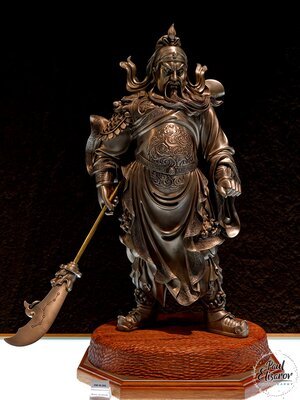
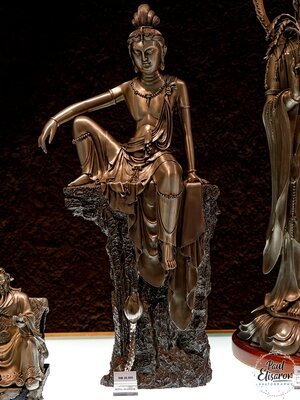
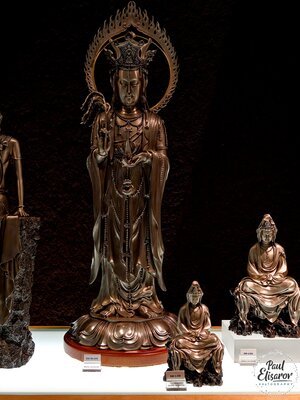
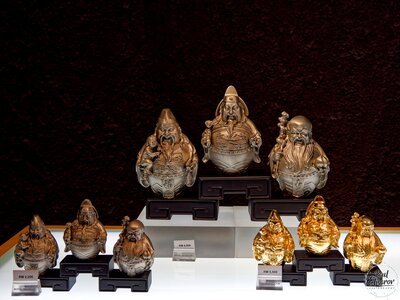
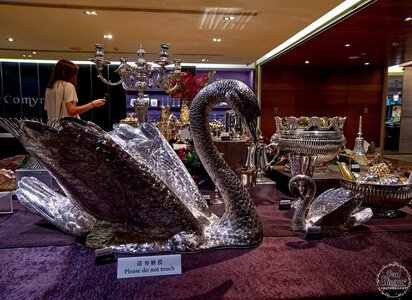
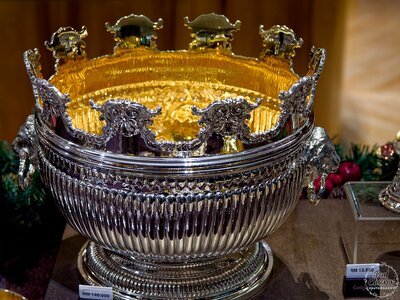
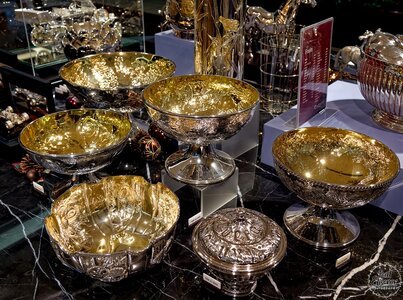
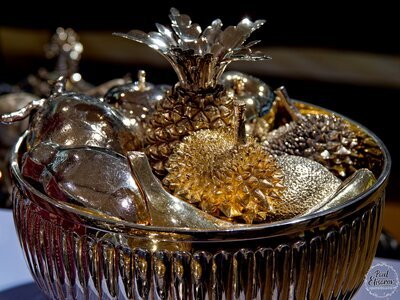
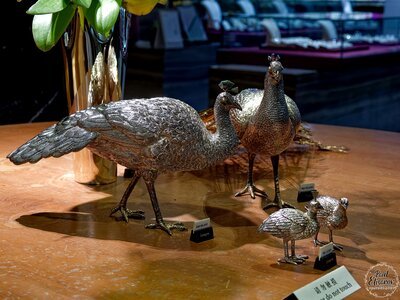
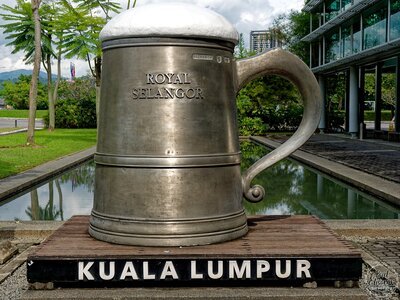
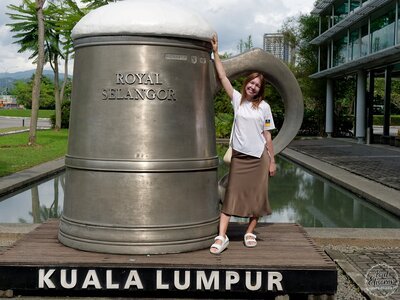
The journey continues into the museum, a treasure chest of this heritage. It holds not just shining cups, but narrative pieces: towering tankards that tell of colonial taverns, delicate tea sets that whisper of Straits Settlements prosperity, and majestic trophies whose engravings chronicle sporting histories. One crown jewel is the world's largest pewter tankard, a testament to ambition and skill. Yet, the true wonder is in the miniature: a perfect, detailed pewter cricket set, or a necklace so finely detailed it seems woven from liquid metal.
To visit is to understand that this craft is a dialogue between past and present. It is the scent of beeswax used for polishing, the cool, substantial weight of a finished piece in your palm, and the sight of a young apprentice learning the exact angle of a chisel from a master with decades in his hands. It’s where Malaysia’s tin-rich earth is transformed, through quiet patience and extraordinary skill, into heirlooms that hold light, history, and a touch of human soul.
The air carries a soft, industrial hum, a symphony of gentle taps and the steady whirl of lathes. The light catches on surfaces everywhere, not with the hard glare of steel, but with the soft, luminous glow of a low moon. Rows of artisans, their focus absolute, work with a rhythm that feels centuries old. Some wield mallets with precise, tapping dances, chasing intricate flora and fauna into the soft metal—a technique called repoussé. Others guide spinning discs against pewter blanks, their hands coaxing flat circles into graceful vases and bowls, a mesmerizing ballet of hand and machine. The material itself is obedient yet alive, softening under the warmth of a lamp, yielding to the craftsman's will, then cooling into a permanent, perfect form.
Why "Pewter" When It's Tin?
This is where history layers the visit. Malaysia's earth was famously rich in tin, the driving force behind its colonial economy and the explosive growth of cities like Kuala Lumpur. Pure tin, however, is soft. For centuries, British and European pewter was an alloy of tin mixed with harder, often toxic metals like lead. When English traders and colonists arrived, they encountered this local bounty of superior, pure tin. Applying their own term, they called the fine items made from it "pewter," even though the Malaysian tradition evolved to flavor the purity of the metal itself. Thus, "pewter" in Malaysia became a legacy term for crafted, high-grade tin, a linguistic heirloom from the colonial era that the local craft refined and made its own.
The journey continues into the museum, a treasure chest of this heritage. It holds not just shining cups, but narrative pieces: towering tankards that tell of colonial taverns, delicate tea sets that whisper of Straits Settlements prosperity, and majestic trophies whose engravings chronicle sporting histories. One crown jewel is the world's largest pewter tankard, a testament to ambition and skill. Yet, the true wonder is in the miniature: a perfect, detailed pewter cricket set, or a necklace so finely detailed it seems woven from liquid metal.
To visit is to understand that this craft is a dialogue between past and present. It is the scent of beeswax used for polishing, the cool, substantial weight of a finished piece in your palm, and the sight of a young apprentice learning the exact angle of a chisel from a master with decades in his hands. It’s where Malaysia’s tin-rich earth is transformed, through quiet patience and extraordinary skill, into heirlooms that hold light, history, and a touch of human soul.