Small Chinese Temples
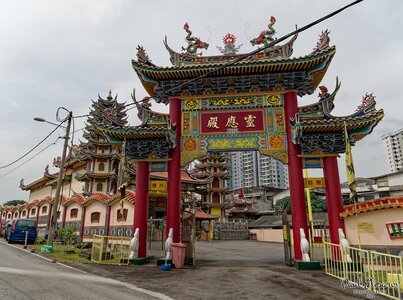
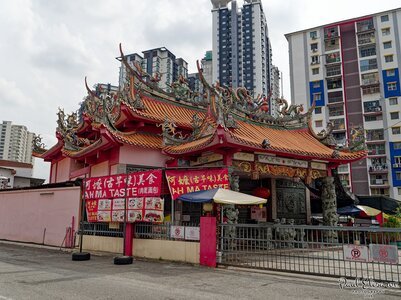
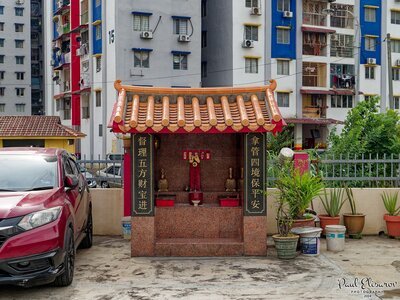
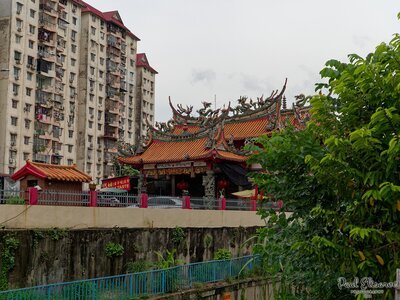
Beyond the gleaming towers and bustling streets of Kuala Lumpur, in the quiet spaces between shop lots and down unassuming lanes, the city holds a different kind of pulse. It is not in the grand, postcard-famous temples, but in the humble, neighborhood miaos—the smaller Chinese temples that are stitched into the very fabric of the suburbs. These are the hidden gems that map apps point to with a simple pin; places you find not by tour bus, but by a curious turn down a side street, drawn by a glimpse of crimson and the faint, sweet scent of sandalwood.
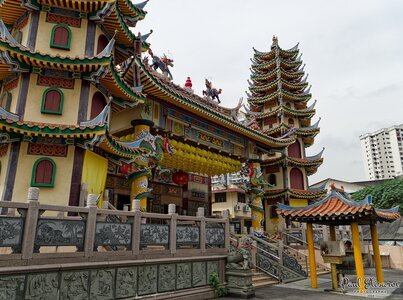
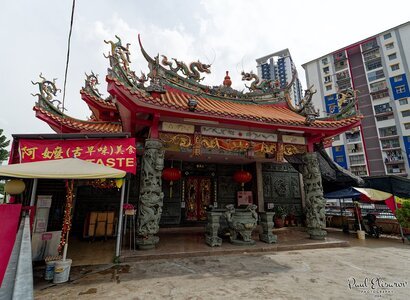
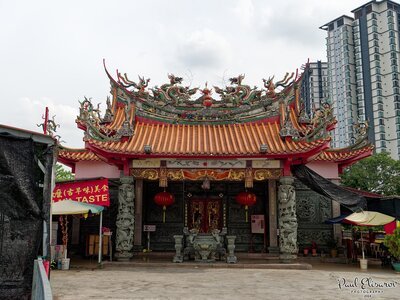
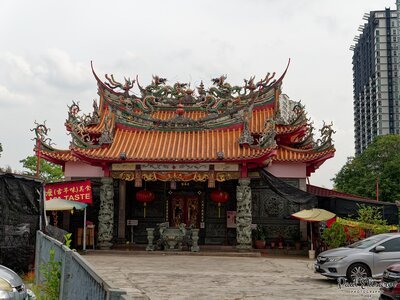
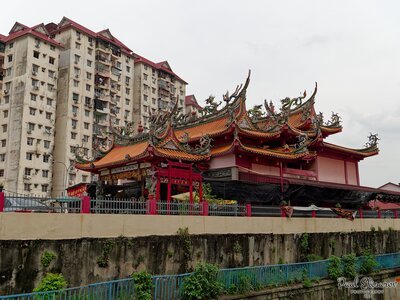
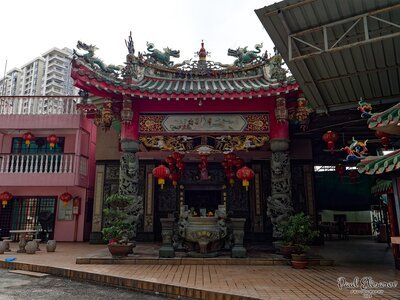
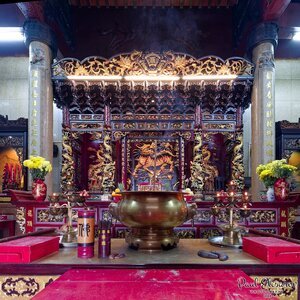
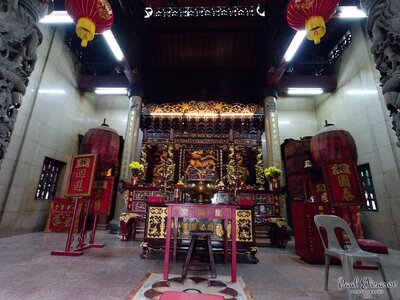
They announce themselves quietly: a rooftop adorned with ceramic dragons frozen in mid-coil, their colored scales peeking above a modern awning. A single red pillar flanking a narrow doorway, where the sound of the city momentarily fades into the soft flicker of oil lamps. To step inside is to cross a threshold into a pocket of timeless serenity. The air is warm and hazy with incense smoke, curling in graceful ribbons towards ceilings darkened by decades of devotion. Here, the divine feels intimately close. Altars glow with the light of red electric bulbs, illuminating the kind, stern, or benevolent faces of deities carved from dark wood, their robes painted in faded gold and azure.
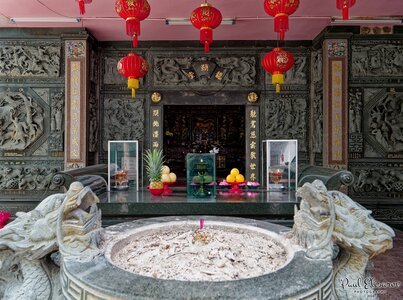
These temples are living diaries of their communities. The walls are layered with memory—century-old calligraphy plaques hanging beside thank-you notes from last year, glossy photographs of restoration ceremonies next to handwritten prayer lists. You might find a lone guardian sweeping the courtyard, or an auntie arranging oranges as an offering, her movements practiced and peaceful. In the afternoon stillness, the only sounds are the murmur of a passing prayer, the click of divination blocks, and the distant, muffled hum of KL's traffic—a world away, yet just beyond the door.
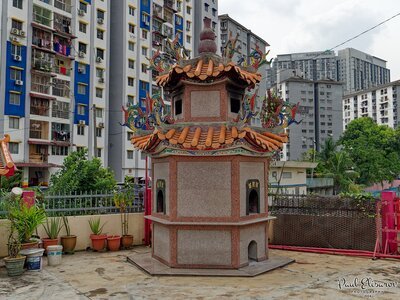
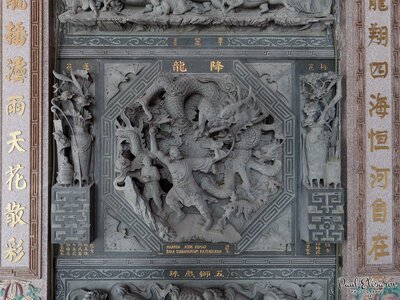
They are not museums, but living rooms for the spirit. Some are dedicated to a single, specific god—a healer, a warrior, a protector of seafarers—telling a story of the hopes and trades of those who built them. Their beauty is not in grandeur, but in detail: in the crackle of ancient glaze on a rooftop figurine, in the smooth, cool touch of a stone altar worn by countless hands, in the way the midday sun slices through the smoke, lighting up motes of dust like tiny stars.
To find these temples is to see Kuala Lumpur not just as a metropolis, but as a mosaic of quiet sanctuaries. They are the city's whispered prayers, places where tradition turns not on a grand scale, but in the quiet rhythm of daily incense, a place of solace waiting patiently in plain sight, just off the main road.
They announce themselves quietly: a rooftop adorned with ceramic dragons frozen in mid-coil, their colored scales peeking above a modern awning. A single red pillar flanking a narrow doorway, where the sound of the city momentarily fades into the soft flicker of oil lamps. To step inside is to cross a threshold into a pocket of timeless serenity. The air is warm and hazy with incense smoke, curling in graceful ribbons towards ceilings darkened by decades of devotion. Here, the divine feels intimately close. Altars glow with the light of red electric bulbs, illuminating the kind, stern, or benevolent faces of deities carved from dark wood, their robes painted in faded gold and azure.
These temples are living diaries of their communities. The walls are layered with memory—century-old calligraphy plaques hanging beside thank-you notes from last year, glossy photographs of restoration ceremonies next to handwritten prayer lists. You might find a lone guardian sweeping the courtyard, or an auntie arranging oranges as an offering, her movements practiced and peaceful. In the afternoon stillness, the only sounds are the murmur of a passing prayer, the click of divination blocks, and the distant, muffled hum of KL's traffic—a world away, yet just beyond the door.
They are not museums, but living rooms for the spirit. Some are dedicated to a single, specific god—a healer, a warrior, a protector of seafarers—telling a story of the hopes and trades of those who built them. Their beauty is not in grandeur, but in detail: in the crackle of ancient glaze on a rooftop figurine, in the smooth, cool touch of a stone altar worn by countless hands, in the way the midday sun slices through the smoke, lighting up motes of dust like tiny stars.
To find these temples is to see Kuala Lumpur not just as a metropolis, but as a mosaic of quiet sanctuaries. They are the city's whispered prayers, places where tradition turns not on a grand scale, but in the quiet rhythm of daily incense, a place of solace waiting patiently in plain sight, just off the main road.