Wesak Budda Birthday
Wesak Day, also known as Vesak, is one of the most significant and sacred days in the Buddhist calendar, commemorating the birth, enlightenment, and passing of Gautama Buddha. In multicultural Malaysia, it is a federal public holiday, reflecting the nation's respect for religious diversity.
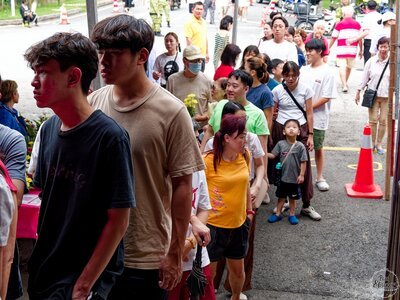
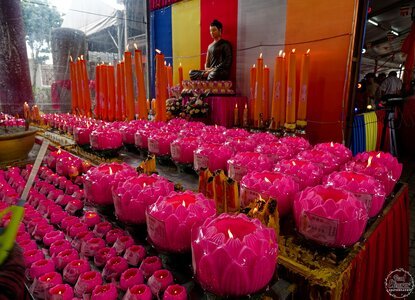
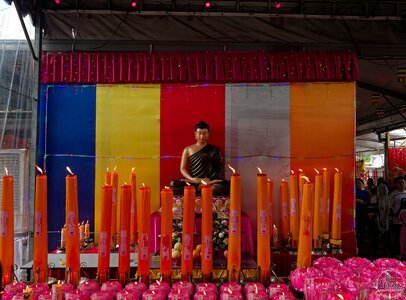
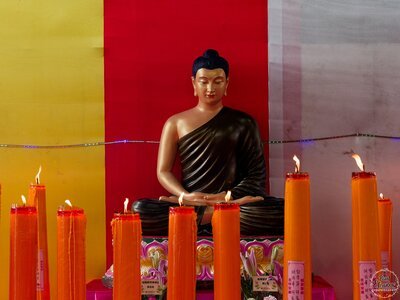
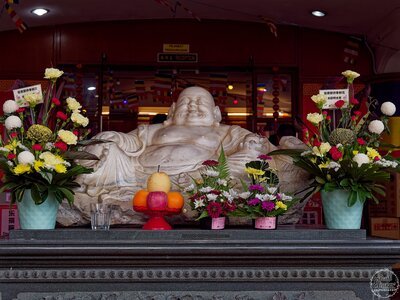
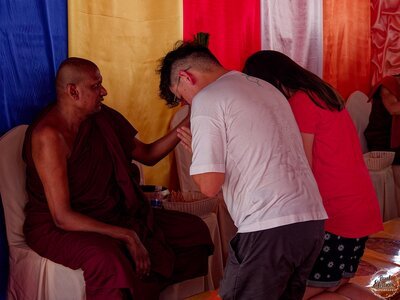
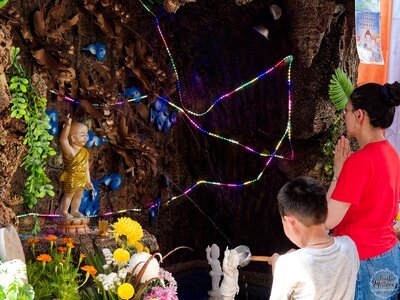
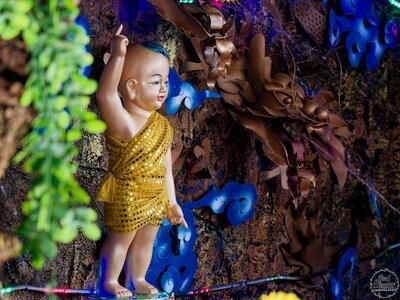
For Malaysian Buddhists, it is a day for deep reflection, meritorious deeds, and spiritual renewal. Observances begin at dawn with visits to temples, where devotees offer prayers, candles, and flowers. A key ritual is the symbolic act of bathing a statue of the infant Buddha, representing the purification of one's own mind from greed, hatred, and ignorance.
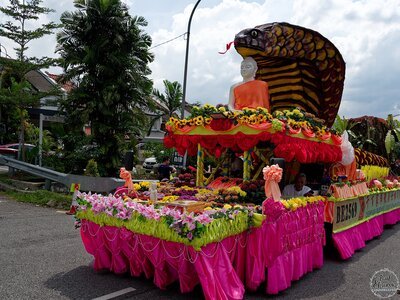
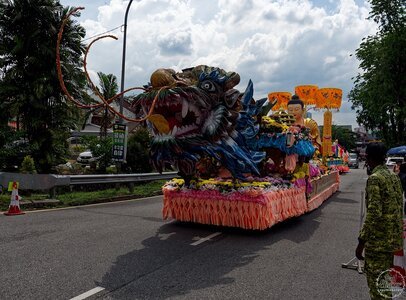
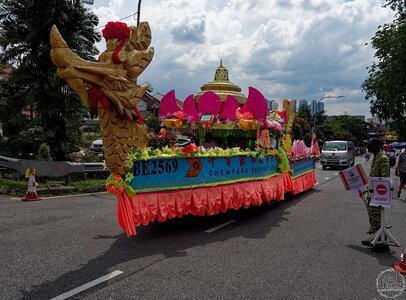
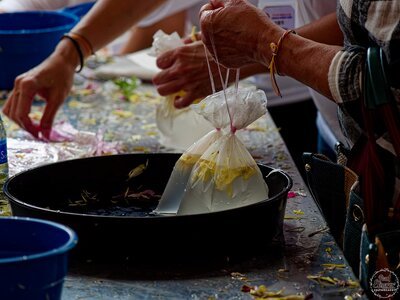
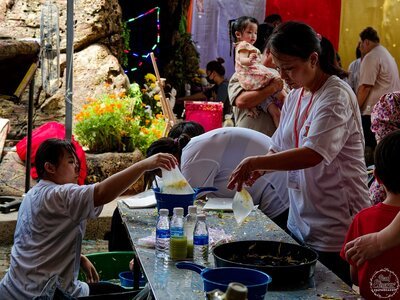
Temples are often adorned with colourful lights and flags, and major cities like Kuala Lumpur see large, peaceful processions featuring floats, chanting, and candlelit vigils. Charitable acts, such as providing free meals and donating blood, are also central to the day's observance.
Beyond the rituals, Wesak in Malaysia is a powerful public expression of peace, compassion, and tolerance. It serves as a beautiful reminder of the country's rich cultural tapestry and the shared values of harmony and goodwill.
For Malaysian Buddhists, it is a day for deep reflection, meritorious deeds, and spiritual renewal. Observances begin at dawn with visits to temples, where devotees offer prayers, candles, and flowers. A key ritual is the symbolic act of bathing a statue of the infant Buddha, representing the purification of one's own mind from greed, hatred, and ignorance.
Temples are often adorned with colourful lights and flags, and major cities like Kuala Lumpur see large, peaceful processions featuring floats, chanting, and candlelit vigils. Charitable acts, such as providing free meals and donating blood, are also central to the day's observance.
Beyond the rituals, Wesak in Malaysia is a powerful public expression of peace, compassion, and tolerance. It serves as a beautiful reminder of the country's rich cultural tapestry and the shared values of harmony and goodwill.