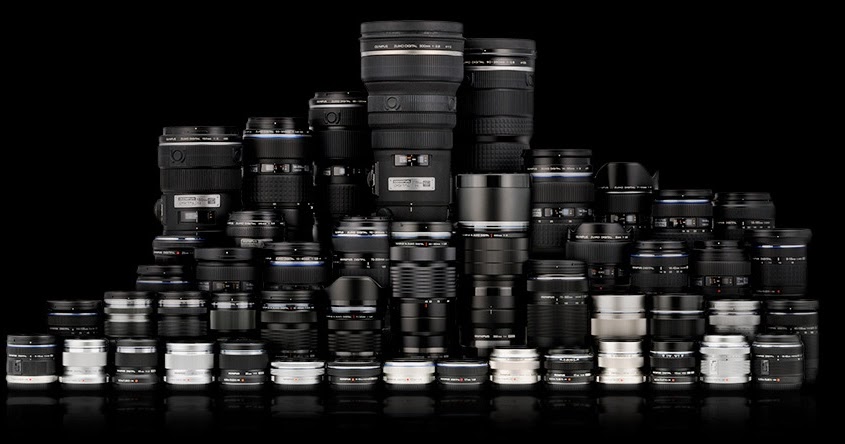
From FF to MFT. How and why?
Alright, it's happened. I'm shooting again on the smallest available sensor—the Four Thirds format sensor. This is where I began once… This has put me in a philosophical mood and prompted me to write this article. I have articles about formats, but now I have years of practical experience shooting with all formats and want to summarize that experience a bit. Plus, the market situation is changing, and Micro Four Thirds is a prime example—a system I didn't want to switch to from my 4/3 DSLRs back in the day due to a lack of comfortable cameras and good zoom lenses. But now… Well, read on. NOTE: This article is restored after my old site crashed and loads pictures dynamically. But first, I'll describe the full story of my transition from the Full Frame S1R, which I shot with for almost 3 years and loved dearly, to Micro Four Thirds. The chronology is as follows:
First, my 24-105mm lens—the workhorse of my system—breaks down. I'm now sure it suffered from delamination of a hybrid aspherical element. Initially, I thought it was fungus, but that's probably not the case. This defect is common for this lens. There's a huge thread on DPreview with identical photos. So, I was left without my standard zoom. I really didn't want to buy it again—it's expensive and, honestly, far from ideal. First, you could run into the same defect again after some time. Second, it handles backlight rather poorly… I didn't want a shorter zoom (this one already felt limiting), but Panasonic was supposed to release an ultra-zoom "any day now," so I decided to wait.
But first, I'll describe the full story of my transition from the Full Frame S1R, which I shot with for almost 3 years and loved dearly, to Micro Four Thirds. The chronology is as follows:
First, my 24-105mm lens—the workhorse of my system—breaks down. I'm now sure it suffered from delamination of a hybrid aspherical element. Initially, I thought it was fungus, but that's probably not the case. This defect is common for this lens. There's a huge thread on DPreview with identical photos. So, I was left without my standard zoom. I really didn't want to buy it again—it's expensive and, honestly, far from ideal. First, you could run into the same defect again after some time. Second, it handles backlight rather poorly… I didn't want a shorter zoom (this one already felt limiting), but Panasonic was supposed to release an ultra-zoom "any day now," so I decided to wait.
 Next, Panasonic releases the ultra-zoom: the Panasonic S 28-200mm f/4-7.1. To say I was disappointed is an understatement. It's a triple compromise—not wide enough, not long enough, and a very slow lens. Had they released a 24-200mm f/3.5-5.6, or, even better, say a 20-150mm f/3.5-5.6, or even a 28mm on the wide end but 400mm on the long end like Nikon did—I would have bought it as my standard zoom and there would have been no switch to MFT. But I didn't want this "marvel"; with it, you'd need to carry at least two more lenses, completely defeating the main purpose of an ultra-zoom.
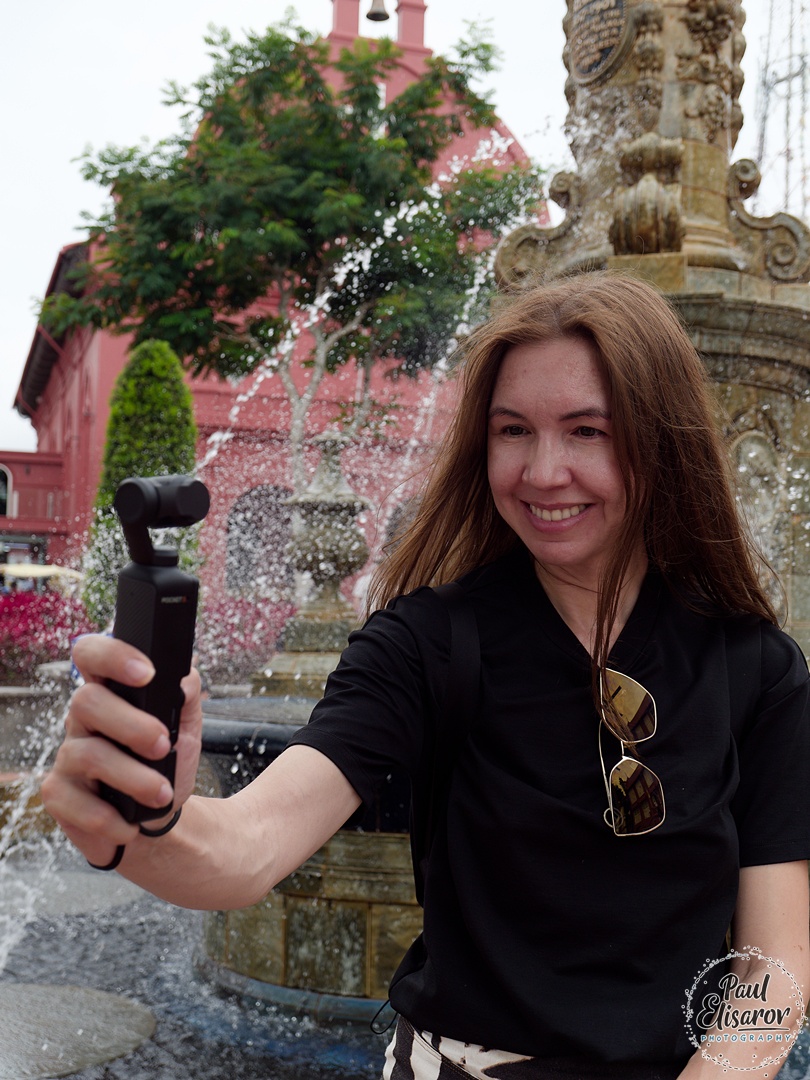 Next, I get my hands on the Olympus 12-100mm f/4 and fall into sheer euphoria over its quality. I realize this is the lens I want to shoot with. This happens, more or less, by chance. You can read about why I liked this lens so much in its review.
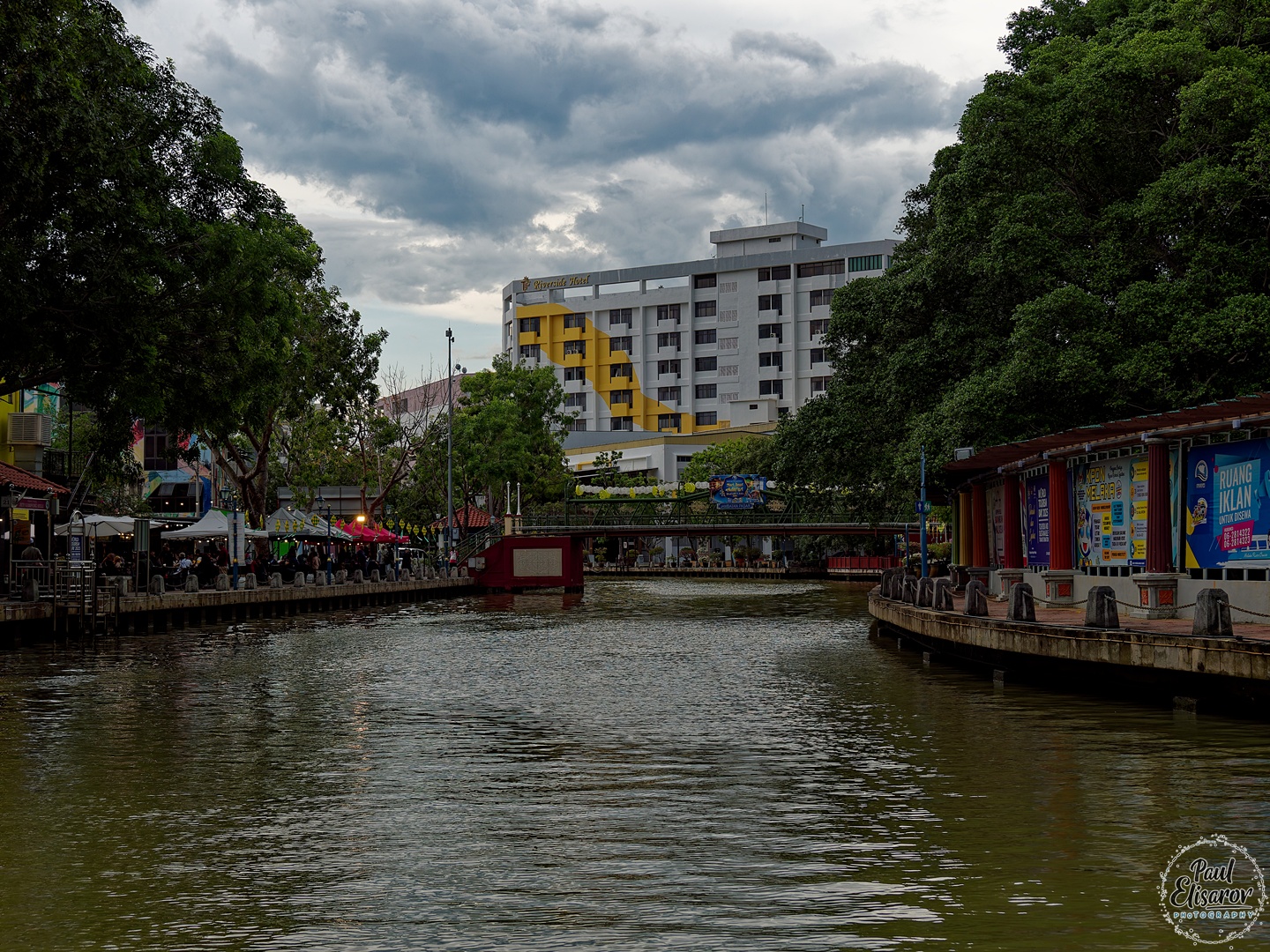 Then, the already described idea comes to me—to replace the huge FF telephoto with a smaller but more reach-heavy MFT lens. And I realize the latter gives me even better pictures than the former, simply because it's more convenient to use, and I frame shots as they will be in the final version, not anticipating a later crop. This is detailed here. At that time, I was still sure this was where it would end and I'd have two systems.
 But the process of the MFT system taking over didn't stop there. I acquired the Olympus 45mm f/1.2, unable to resist a very good deal. With this, I encroached on the holy grail of full-frame cameras—portraits with shallow depth of field. I had the Panasonic S 85mm f/1.8, which I wasn't thrilled with because at f/1.8, its contrast dropped significantly, so I often shot at f/2.2. That's a normal, non-flagship FF lens—some compromises here and there, but if you stop it down and don't shoot in its "unfavorable" way, you get decent photos. Meanwhile, the Olympus 45mm f/1.2 is a top-tier lens with no flaws. Yes, MFT has limitations regarding depth of field, and there's no escaping them (read here). But in practice, I found portraits with MFT + Olympus 45mm f/1.2 were not only not worse but even better than what the S1R + 85mm f/1.8 produced. The top-tier lens gives better image quality, is more pleasant to use, and performs well at all apertures. As for depth of field… Yes, it's shallower; it corresponds to what an FF 85mm lens at f/2.2 gives. But that's enough for me. And so I realized that having this Olympus, I no longer wanted to pick up the Panasonic lens for the S1R. So I sold it.
 Thus, the FF camera's domain was left with only wide-angle and night photography. And here, I replaced the Panasonic GX8 with the G9. And if I saw a difference between the S1R and GX8 on downsized images (!), with the G9, there was no difference! The G9 has a magnificent sensor—no AA filter, and it delivers insane micro-contrast, so when the image is reduced, the difference with the S1R is practically nonexistent.
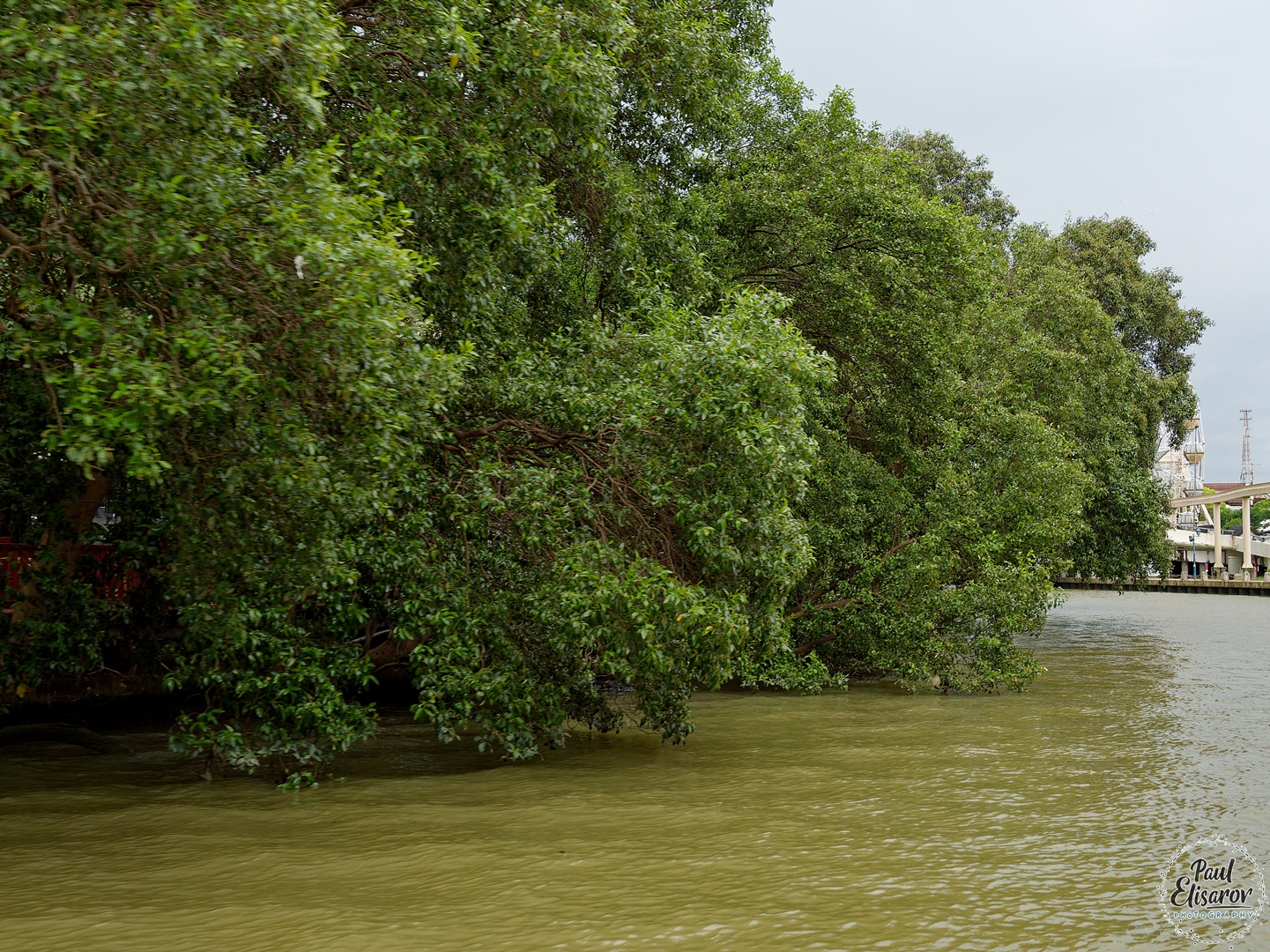 Honestly, I could hardly believe it myself… But tests are stubborn things. Of course, 47MP at 100% has more detail. But in practice, whether in Full HD, 4K resolution, or in prints up to A3 (I haven't tried larger)—there's no visible difference at all! If you remember, when switching from Fuji to Panasonic S1R, I showed a huge difference between Fuji's "soft" image and Panasonic's crisp, pleasant image when cropping to the same 26MP from it. Well, between the G9 and S1R, there is no such difference, even when looking at the most disadvantageous scenario for MFT—night photos taken at high ISO, and not even downsized, at 100% for the G9 (i.e., 20MP).
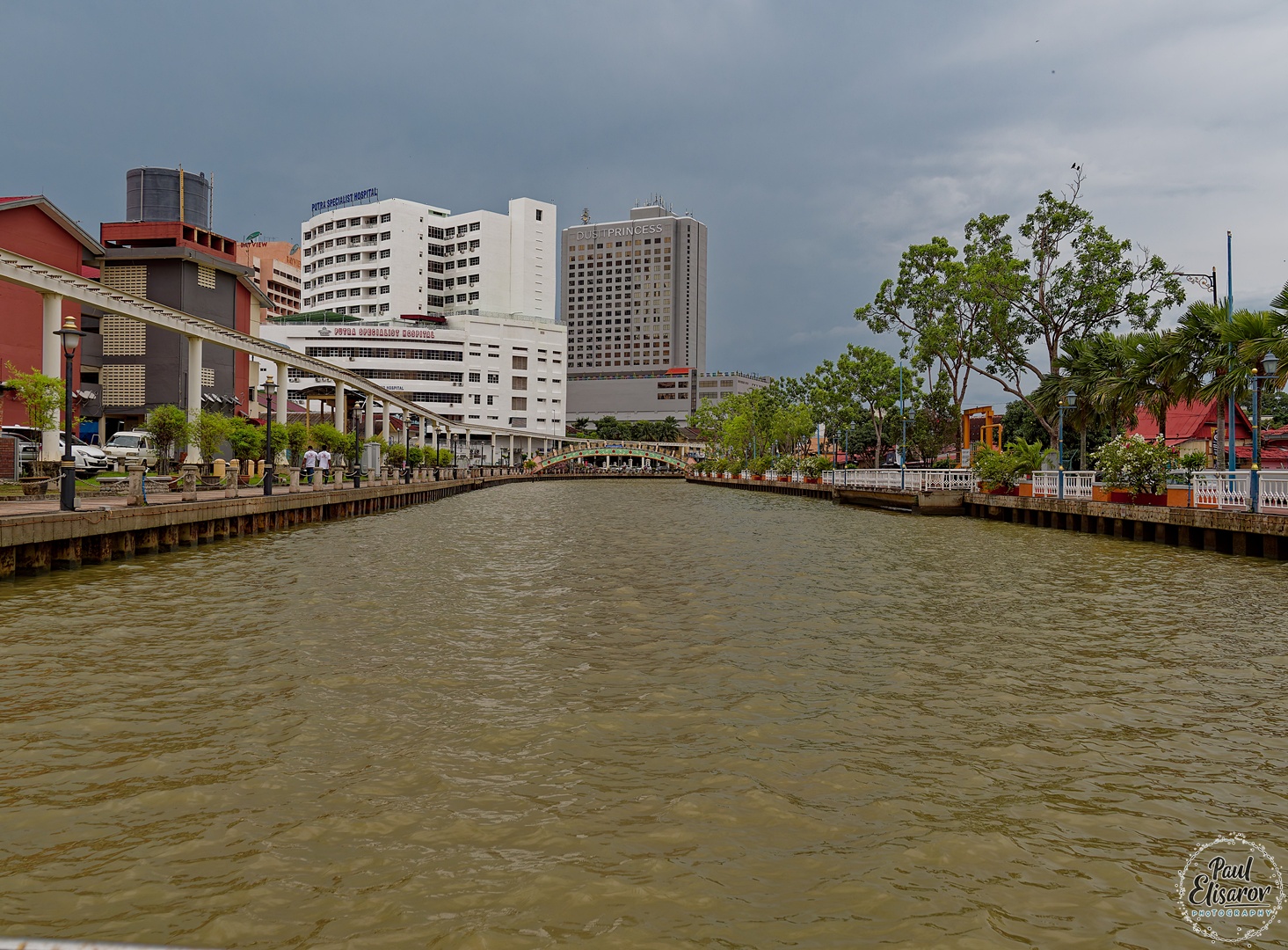 Let me repeat (it's so hard to believe, I want to say it again). If you reduce a 47MP camera's frame to 20MP and take a frame from the G9 as is (20MP), the difference is practically invisible! Yes, in a similar experiment with a 16MP camera (Olympus E-PL7), there was a difference; with the 20MP GX8, there was also a difference; but with the 20MP G9—there isn't! It's no miracle; the G9 simply lacks an AA filter, while the E-PL7 and GX8 have one. Yes, the 47MP would likely show its strength when printing something like 2x1.5 meters or even larger. But I don't print that and probably never will. If you remember my review of the Panasonic S1R from the old site, I said its images looked "alive." However, it turns out that images from the Panasonic G9 are the same! But there's one "but"...
 And that "but" is the lenses. Let's talk about them a bit. As I've said many times, lenses for full frame are harder to make, and top-tier FF lenses are extremely expensive. There are mainstream, affordable FF lenses. Not cheap, but manageable. Like the 24-105mm or the new Tamron 17-50mm (for FF). These lenses get their share of positive reviews, but realistically, they're quite mediocre. Soft corners, the need to stop down—this is all considered normal on full frame because almost everyone has it. Some lenses, like Panasonic's 24-105mm, handle backlight poorly, produce ghosting, sometimes have strong chromatic aberrations, etc. So, what's my point? When comparing photos from the S1R, I always used such mainstream lenses, while on the G9, I used top-tier lenses (well, except for the Panasonic Lumix 100-300mm II, which is a budget telephoto, really).
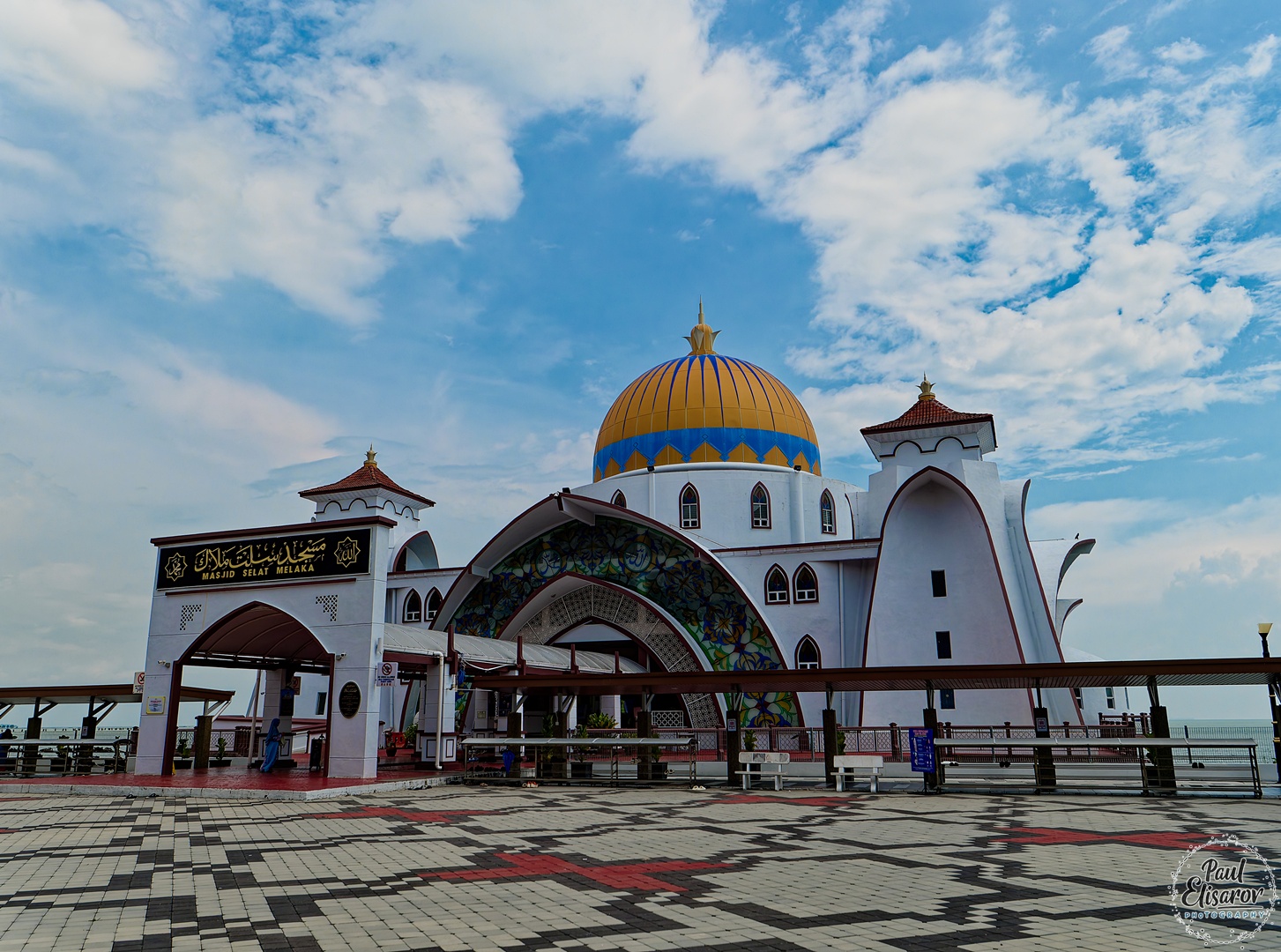 I admit that with top-tier FF lenses, there might be some gain. But such lenses are incomparable in both price and weight to top-tier MFT lenses.
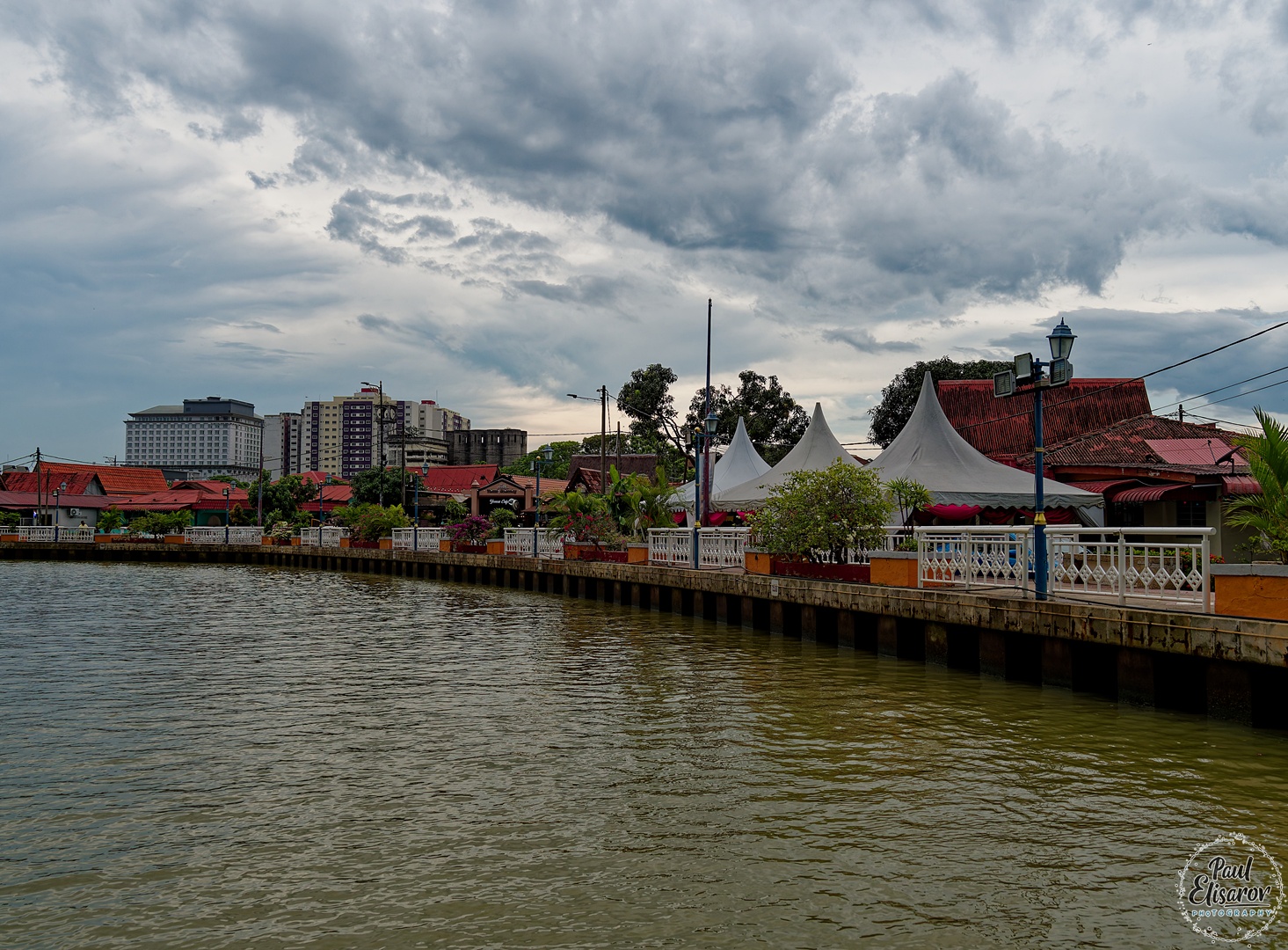 Example:
- Olympus m. Zuiko Pro 25mm f/1.2 - 410 grams, new price ~$920
- Panasonic S Pro 50mm f/1.4 - 955 grams, new price ~$2100
 So, what, in my opinion, are the main advantages of each system, and what are their main weaknesses at the current level of development, i.e., in 2024? It's very important that we're talking about the current situation. Many traditional statements about the differences between systems are no longer valid today!
 Let's start with the Full Frame system. It's the most widespread standard on the market; every brand except Fujifilm has cameras with such sensors.
First advantage. It is on this format (not the larger medium format!) that the shallowest depth of field is practically available. Lenses like 85mm f/1.2, 105mm f/1.4, 135mm f/1.8 exist only for Full Frame. Existing MFT analogues give significantly greater depth of field. If this is a deciding factor for you, you have no choice but to use Full Frame. But note, you'll need those very top-tier—expensive and large—lenses with maximum aperture.
Let's start with the Full Frame system. It's the most widespread standard on the market; every brand except Fujifilm has cameras with such sensors.
First advantage. It is on this format (not the larger medium format!) that the shallowest depth of field is practically available. Lenses like 85mm f/1.2, 105mm f/1.4, 135mm f/1.8 exist only for Full Frame. Existing MFT analogues give significantly greater depth of field. If this is a deciding factor for you, you have no choice but to use Full Frame. But note, you'll need those very top-tier—expensive and large—lenses with maximum aperture.
 Second advantage. The ability to have a sensor with a very high megapixel count (45-60 at the moment). MFT maxes out at 25MP, though medium format already has 100MP! Is this so important? For most, no. As I already wrote, a difference might appear (or might not!) when printing, say, 4x3 meters. So this advantage is more theoretical. HOWEVER! A high-megapixel sensor improves images from average optics. When downsizing photos during processing, imperfections "hide." I showed this back when switching from 16MP Sony to 24MP using the example of a very old Tamron 28-200mm; the final image from it looked worse on a 16MP sensor than on a 24MP one. The same happens when going from 24->47MP, or 33->60MP. So, if you're not shooting with top-tier glass, it's better to use sensors with higher megapixel counts.
That's essentially it. I anticipate outraged cries from Full Frame devotees about noise and dynamic range, so let's address that in more detail.
Second advantage. The ability to have a sensor with a very high megapixel count (45-60 at the moment). MFT maxes out at 25MP, though medium format already has 100MP! Is this so important? For most, no. As I already wrote, a difference might appear (or might not!) when printing, say, 4x3 meters. So this advantage is more theoretical. HOWEVER! A high-megapixel sensor improves images from average optics. When downsizing photos during processing, imperfections "hide." I showed this back when switching from 16MP Sony to 24MP using the example of a very old Tamron 28-200mm; the final image from it looked worse on a 16MP sensor than on a 24MP one. The same happens when going from 24->47MP, or 33->60MP. So, if you're not shooting with top-tier glass, it's better to use sensors with higher megapixel counts.
That's essentially it. I anticipate outraged cries from Full Frame devotees about noise and dynamic range, so let's address that in more detail.
 No longer a FF advantage - noise. Yes, formally, FF sensors produce slightly less noise than MFT and APS-C sensors. The gap has narrowed but hasn't disappeared. However, modern processing technologies (e.g., DxO PhotoLab) are so powerful they reduce this difference to almost zero. Practically, both on my full-frame S1R and MFT G9, I have Auto ISO set up to 6400. Images from both at this value are usable, while at 12800, they are not. Yes, some 24MP FF cameras are usable at 12800, but there are such APS-C sensors too—Nikon Z50, Z30, D7500 are quite usable at 12800. I don't have personal experience with the latest MFT cameras (G9II, GH7), but I suspect they're at that level too. That's why I say noise is no longer a FF advantage; in practice, it doesn't play a role anymore.
 No longer a MFT weakness - dynamic range. Here, we'll just refer to measurements. Look at the dynamic range of the Lumix G9, Lumix G9II, Nikon Z9, Nikon Z6 II. The champion in range is the low-megapixel FF camera. As expected. But the difference is extremely small! Moreover, if we compare with the Z9, at ISO 200 the G9 actually has greater dynamic range! The difference, when it exists, is less than one stop! Yes, earlier MFT sensors had extremely narrow DR, lagging behind FF cameras sometimes by 2 stops or more, but those times, fortunately, are gone, and dynamic range is no longer a weakness of MFT cameras.
 And I must note once again that "equivalent aperture" is a calculation only for depth of field given the same framing! In terms of light transmission, f/2.8 on MFT is EXACTLY the same as f/2.8 on FF. I'm forced to repeat this because there are still individuals who think f/4 on MFT is like f/8 on FF, consequences be damned. Once more—this is not true. If shooting a certain scene with MFT requires (ISO 800, f/4, 1/250s), then shooting the same scene with an FF camera will require the same values—(ISO 800, f/4, 1/250s). As for depth of field calculations, you can read here.
 Now let's talk about the advantages of MFT.
First advantage. No need to stop down the aperture to get greater depth of field. Greater depth of field is far from always a minus. Actually, it's only a minus in a certain type of portrait photography. Imagine shooting a landscape with foreground and background. You want everything in focus (most often the case here). You compose and choose an aperture. On full frame, you'd need at least f/8 to get everything sharp. On MFT, f/4 is enough. Now imagine it's night. The MFT camera, shooting at f/4, would require ISO 6400, and the shot is possible. The FF camera, with f/8, would require ISO 25600! That's the beneficial side of greater depth of field. It's also beneficial for macro or near-macro shooting, where, again, FF cameras have to stop down to rather "indecent" values.
Now let's talk about the advantages of MFT.
First advantage. No need to stop down the aperture to get greater depth of field. Greater depth of field is far from always a minus. Actually, it's only a minus in a certain type of portrait photography. Imagine shooting a landscape with foreground and background. You want everything in focus (most often the case here). You compose and choose an aperture. On full frame, you'd need at least f/8 to get everything sharp. On MFT, f/4 is enough. Now imagine it's night. The MFT camera, shooting at f/4, would require ISO 6400, and the shot is possible. The FF camera, with f/8, would require ISO 25600! That's the beneficial side of greater depth of field. It's also beneficial for macro or near-macro shooting, where, again, FF cameras have to stop down to rather "indecent" values.
 Second advantage. The existence of unique lenses, impossible for full frame. Moreover, these unique lenses are also affordable. Since MFT lenses don't need large front elements, the elements used are smaller, allowing for lenses with unique characteristics for MFT. These are lenses simply impossible on full frame. Well, not impossible in theory, but in practice, they don't and won't exist because they'd be huge, very heavy, and insanely expensive. For me personally, these are primarily zoom lenses. I'll list them and note in brackets their equivalent focal length and what's "special, unique" about them. So, let's go through the unique zooms for the MFT system. All these lenses have very reliable dust and splash protection, which I won't even mention separately.
In order of increasing wide end:
Second advantage. The existence of unique lenses, impossible for full frame. Moreover, these unique lenses are also affordable. Since MFT lenses don't need large front elements, the elements used are smaller, allowing for lenses with unique characteristics for MFT. These are lenses simply impossible on full frame. Well, not impossible in theory, but in practice, they don't and won't exist because they'd be huge, very heavy, and insanely expensive. For me personally, these are primarily zoom lenses. I'll list them and note in brackets their equivalent focal length and what's "special, unique" about them. So, let's go through the unique zooms for the MFT system. All these lenses have very reliable dust and splash protection, which I won't even mention separately.
In order of increasing wide end:
- Olympus m. Zuiko Pro 8-25mm f/4 (huge range for a UWA lens, super sharp corner-to-corner at all focal lengths and apertures, complete absence of aberrations, very low distortion). And no, the new FF Tamron 17-50 isn't even close in image quality to this lens!
- Panasonic Leica 10-25mm f/1.7 (combination of large range with very high speed, insane image quality at all focal lengths and apertures, "Leica-like" rendering)
- Olympus m. Zuiko Pro 12-100mm f/4 (ultra-zoom with uncompromising image quality at all focal lengths and apertures, constant f/4 aperture)
- Panasonic Leica 25-50mm f/1.7 (portrait zoom with very high speed for a zoom, insane image quality at all focal lengths and apertures, "Leica-like" rendering)
- Olympus m. Zuiko Pro 40-150mm f/2.8 (fast telephoto with 80-300mm equivalent focal length, very pleasant and high-quality image at all focal lengths and apertures, yet not overly heavy for such focal length and constant f/2.8)
- Panasonic Leica 50-200mm f/2.8-4 (very high-quality telephoto with variable aperture that keeps its size and weight manageable for 100-400mm equivalent, very pleasant image without significant weaknesses at any focal length)
 Third advantage. The existence of small telephotos. I've separated this point from the second because my Panasonic 100-300mm f/4-5.6 lens can't be called unique. Well, unless you look at its size. I bought it instead of the full-frame Sigma 100-400mm f/4-6.3. And although it's slightly worse optically than the Sigma, post-processing can mitigate that. But taking the Sigma with you was an event—it's heavy, so large it only fit in one compartment of my backpack and often stayed home. Meanwhile, the Panasonic 100-300mm f/4-5.6 (that's 200-600mm equivalent, and even around 700mm due to different image aspect ratios)—is compact and light, fits anywhere, and can always be with you.
 Fourth advantage. The stabilizer (whether in-body, in-lens, or combined) allowing handheld shooting at very slow shutter speeds. Now, FF cameras have stabilizers rated at 7.5 - 8 stops, the same as MFT. But in reality, no FF camera will let you get a sharp shot at 1-4 seconds! Half a second is the best FF stabilizers can do, even the newest ones rated at 8 stops. And even then, the keeper rate won't be more than a quarter! MFT allows for truly long handheld exposures.
 Fifth advantage, subjective. The 4:3 frame format seems much more natural to me than 3:2. Using FF or APS-C, I quite often cropped images to a 4:3 format. On Micro Four Thirds, I never crop to 3:2; the desire simply never arises.
 In this way, sorting all this out for myself, conducting a huge number of comparisons, I've come to the conclusion that the Micro Four Thirds system is optimal for me now. Currently, you can buy an excellent Panasonic G9 camera for peanuts (about it here and here), and pair it with great, top-tier lenses at a pleasant price. Selling my FF system with its mid-range lenses fully funded my transition to top-tier MFT.
I hope this extremely long story was at least interesting for you, and perhaps even useful in some way. With that, I'll allow myself to conclude.
In this way, sorting all this out for myself, conducting a huge number of comparisons, I've come to the conclusion that the Micro Four Thirds system is optimal for me now. Currently, you can buy an excellent Panasonic G9 camera for peanuts (about it here and here), and pair it with great, top-tier lenses at a pleasant price. Selling my FF system with its mid-range lenses fully funded my transition to top-tier MFT.
I hope this extremely long story was at least interesting for you, and perhaps even useful in some way. With that, I'll allow myself to conclude.
1.5K views