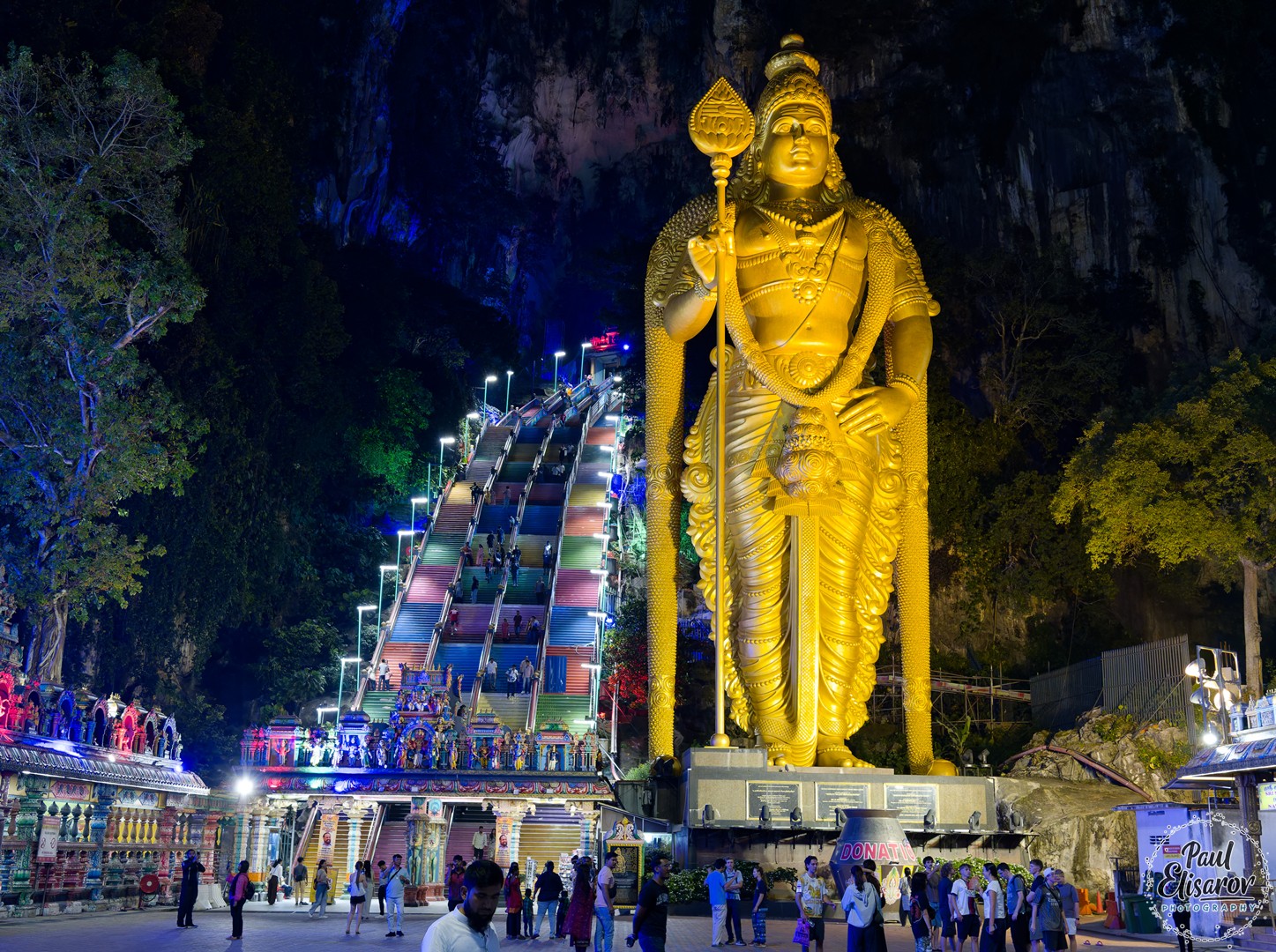
Iconic Kuala Lumpur - Batu Caves
Today I’m going to tell you about a place that’s only about 13 kilometres north of Kuala Lumpur and that, without exaggeration, everyone knows. It’s Batu Caves.
I’ve been living in KL for almost four years now, so I’m telling you about it not as a tourist who saw a picture online for the first time, but as a “local”. And you know what? Some so-called bloggers say Batu Caves is a tourist trap, that you shouldn’t go there, that there’s nothing significant or interesting. Usually that opinion has no argument behind it. But I’m going to tell you about it and show it to you, and you’ll see that it’s clearly worth a visit.
Let’s start with what Batu Caves actually is and why it’s so important for Hindus. Batu Caves isn’t just “a cave with a staircase.” It’s a huge limestone hill that is about 400 million years old, and inside it is a whole complex of caves and Hindu temples. It’s one of the most important pilgrimage sites for Tamil Hindus outside India. People come here not only from all over Malaysia but also from India itself.
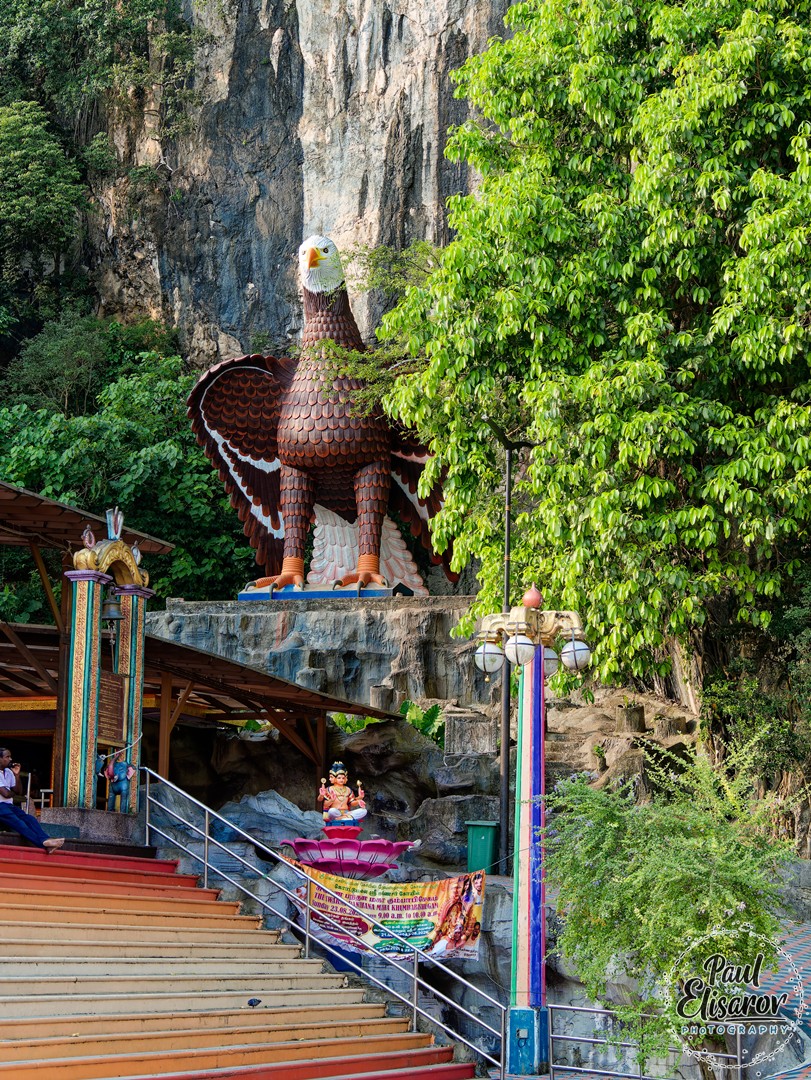
Why here? It’s believed that the entrance to the main cave is shaped like the tip of a spear — a vel — which the god Murugan traditionally holds in his hand. Murugan, the god of war and victory, is the main deity of this place.
For starters, let me briefly tell you about the history of this place. The history as we know it today began in the late 19th century. In 1878, the American naturalist William Temple Hornaday “opened” the caves to the wider world. And in 1890, a Tamil trader named K. Thamboosamy Pillai, impressed by the beauty of the place, founded the first cave temple here. Already in 1891, the temple dedicated to Murugan was completed, and from 1892 they began holding the annual Thaipusam festival here. Since then, the place has continuously developed and become the main centre of pilgrimage for Tamil Hindus in Malaysia.
Now let’s figure out what this complex actually consists of. Very many people, when they come here, think that Batu Caves is one huge statue and one huge staircase. That’s not true. In fact, the complex consists of several parts, and if you have time, it’s worth seeing each one.
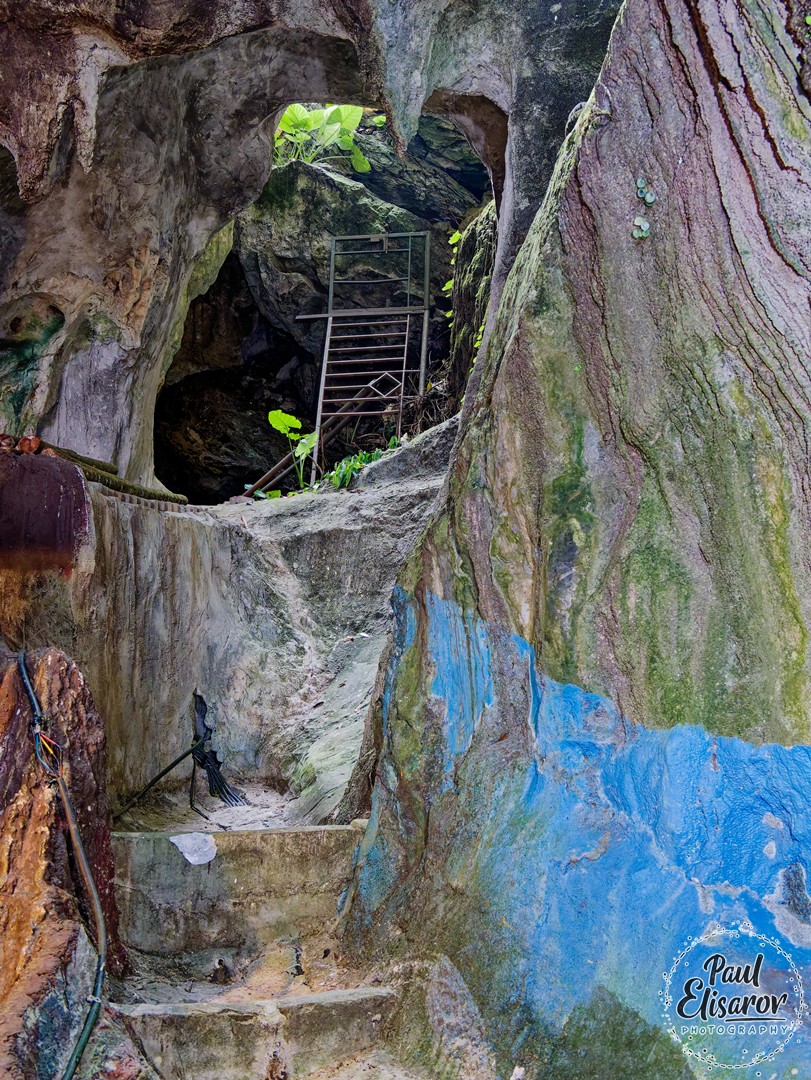
And now more about the lower caves. At the foot of the hill, before you even go up the stairs, there are several caves that are often undeservedly ignored.
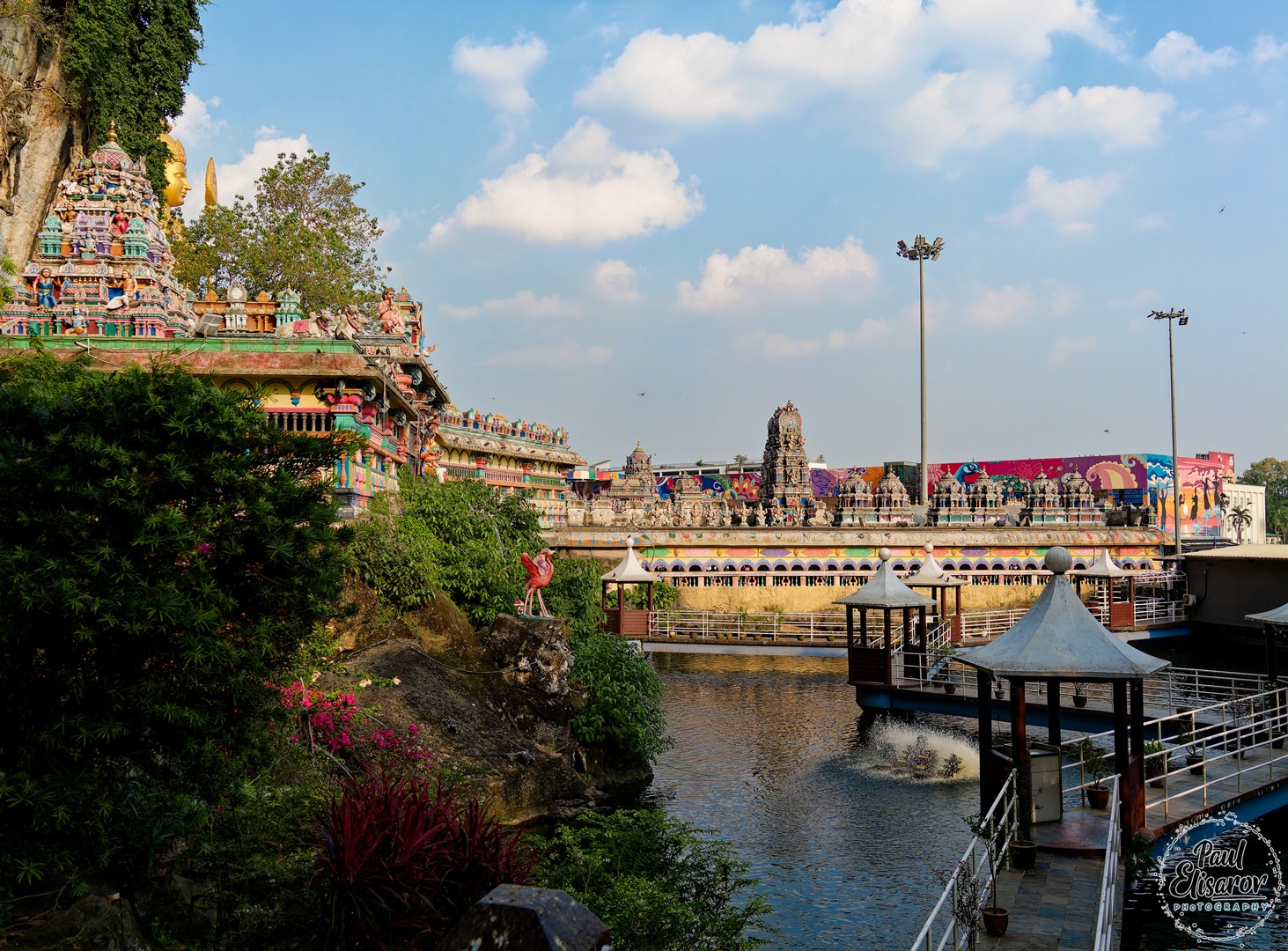 Cave Villa
 is perhaps the most “colourful” part of the whole Batu Caves complex. It sits at the foot of the hill, before you start the famous climb, and it feels like a separate little world. It’s not a natural cave in the same way as the Cathedral Cave up top; it’s an artificial cave built as a gallery, a grotto, a walk-through diorama. There is an entrance fee — about 7 ringgit for Malaysians and 15 for foreigners — and for that modest price you get a surprisingly dense, bright and story-filled experience. If you only rush past it on the way to the stairs, you miss a place that actually helps you understand what you are about to see above.
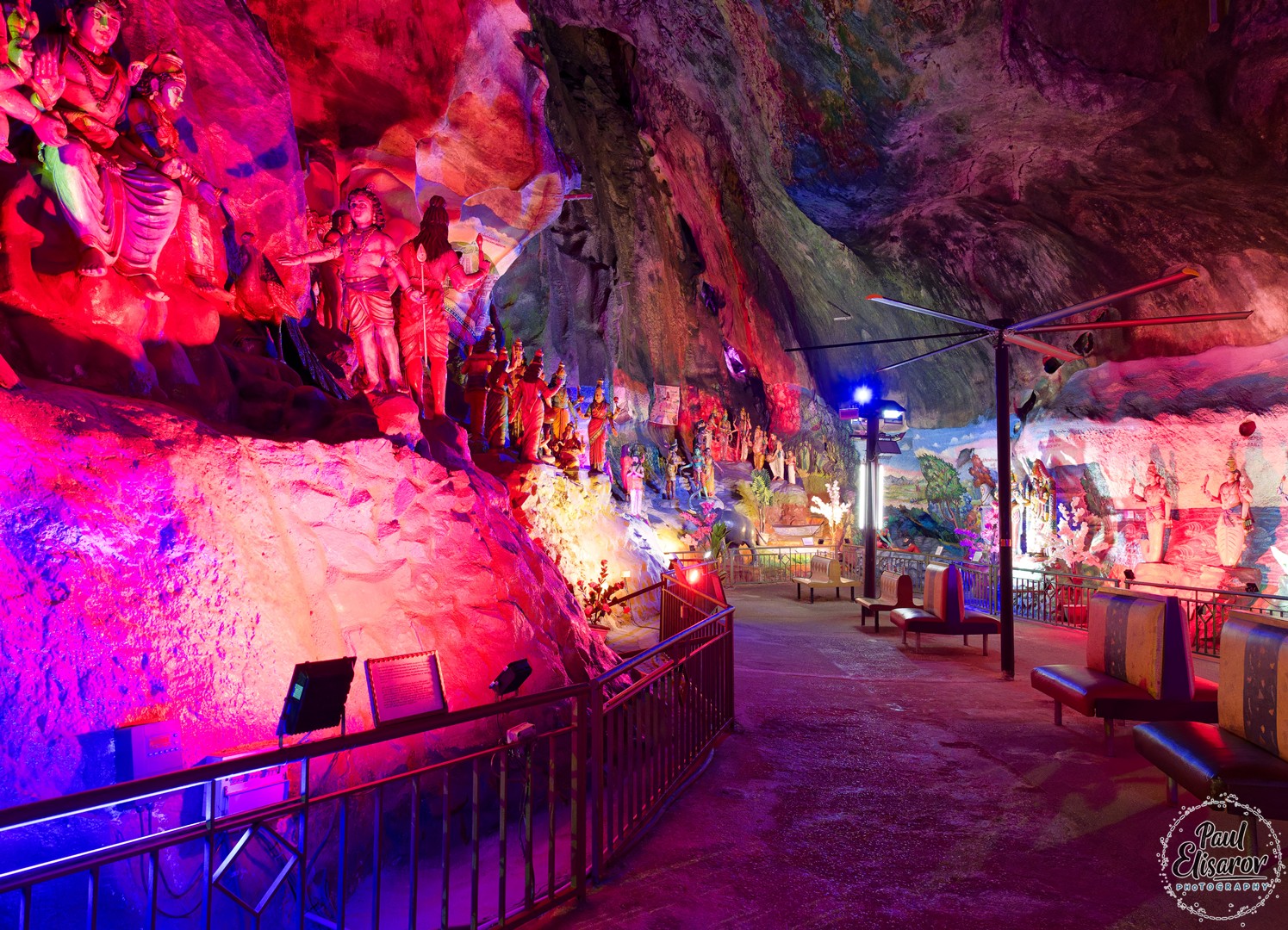
The cave itself is a maze of winding passages, rough rock-like walls, narrow corridors and small chambers that open unexpectedly into larger grottoes. It has been designed to feel subterranean, with dim corners and sudden bursts of light, but it is also unapologetically artificial. And that artificiality is part of the charm. Coloured lights — red, green, blue, purple, yellow — wash over the rock surfaces and the statues, changing the mood from scene to scene. Sometimes the lighting is soft and mystical, sometimes it is theatrical and almost neon. Every few steps you turn a corner and find another illuminated tableau waiting for you.
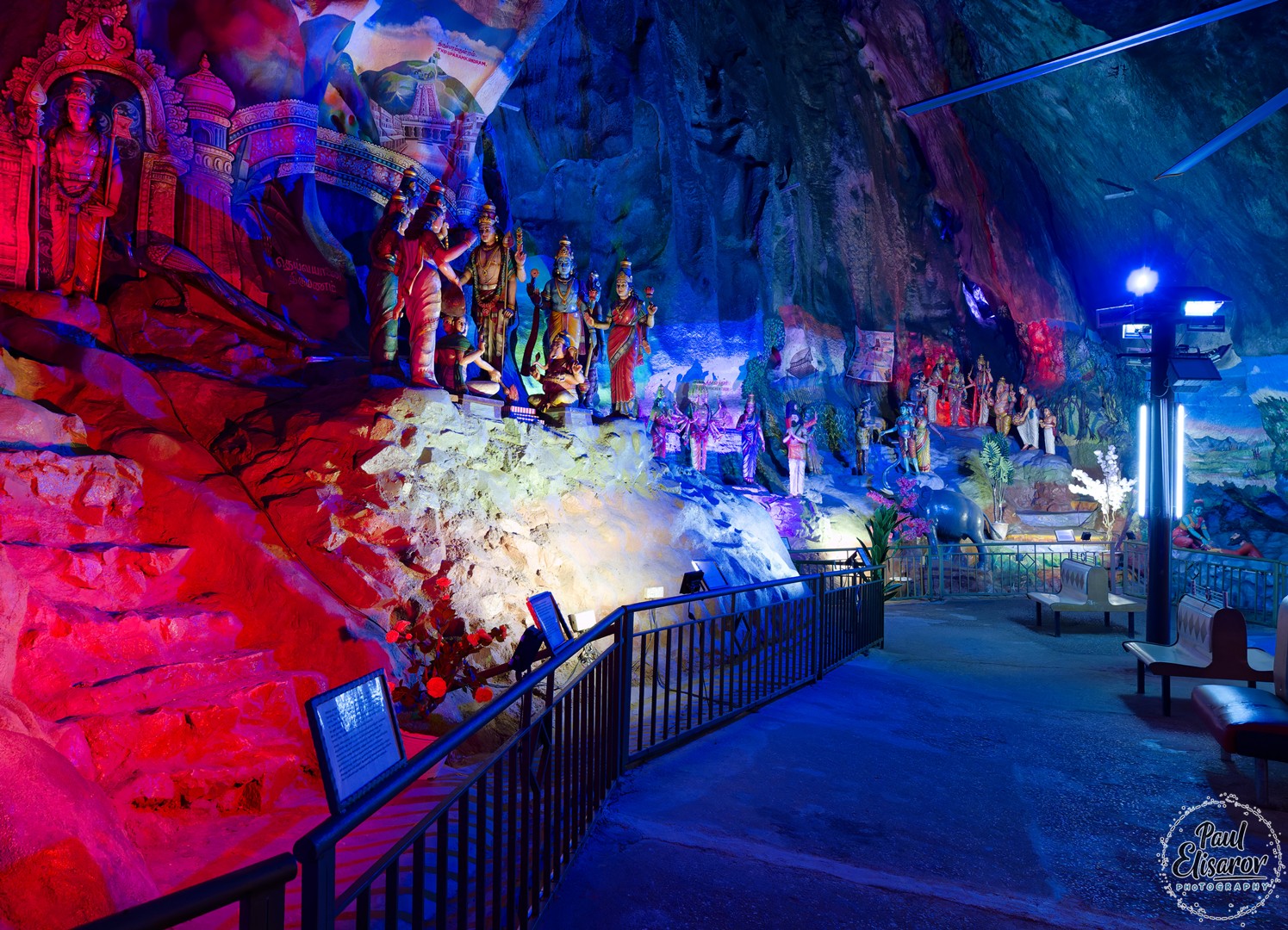
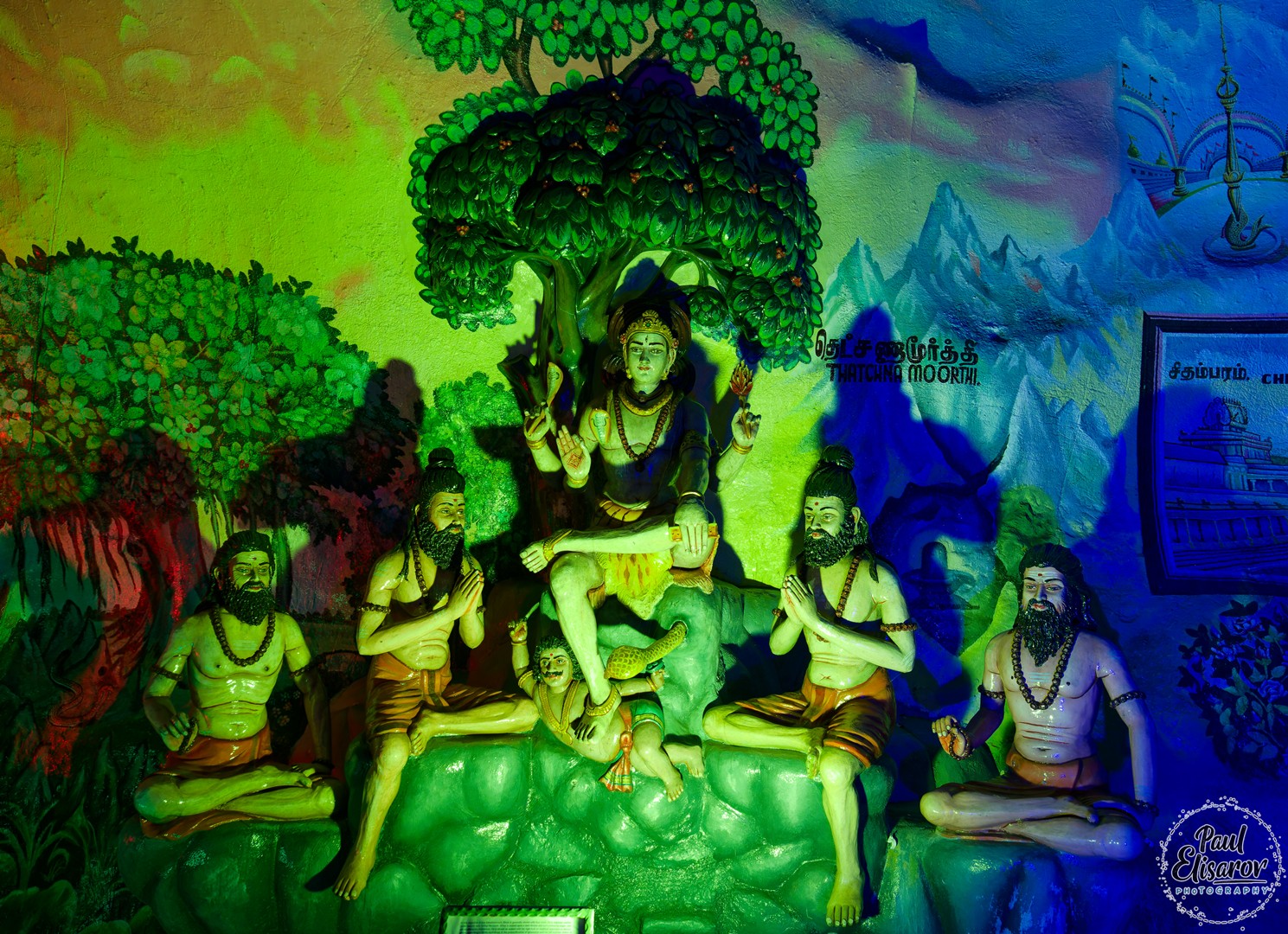
The statues are the heart of Cave Villa. You’ll see Hindu deities — Murugan, Ganesha, Hanuman, Rama, Sita, Lakshmana, and many others — along with demons, celestial beings, animals and characters from folklore. They are painted in vivid colours, often with gold accents, and arranged in scenes rather than placed randomly. Some are large and commanding, standing over you as you pass; others are smaller, set into dioramas that show a specific moment in a story. There are scenes from the Ramayana, from the Mahabharata, and from other puranic tales. Even if you don’t know the stories, the visual language is strong: you can feel the conflict, the devotion, the battle, the victory.
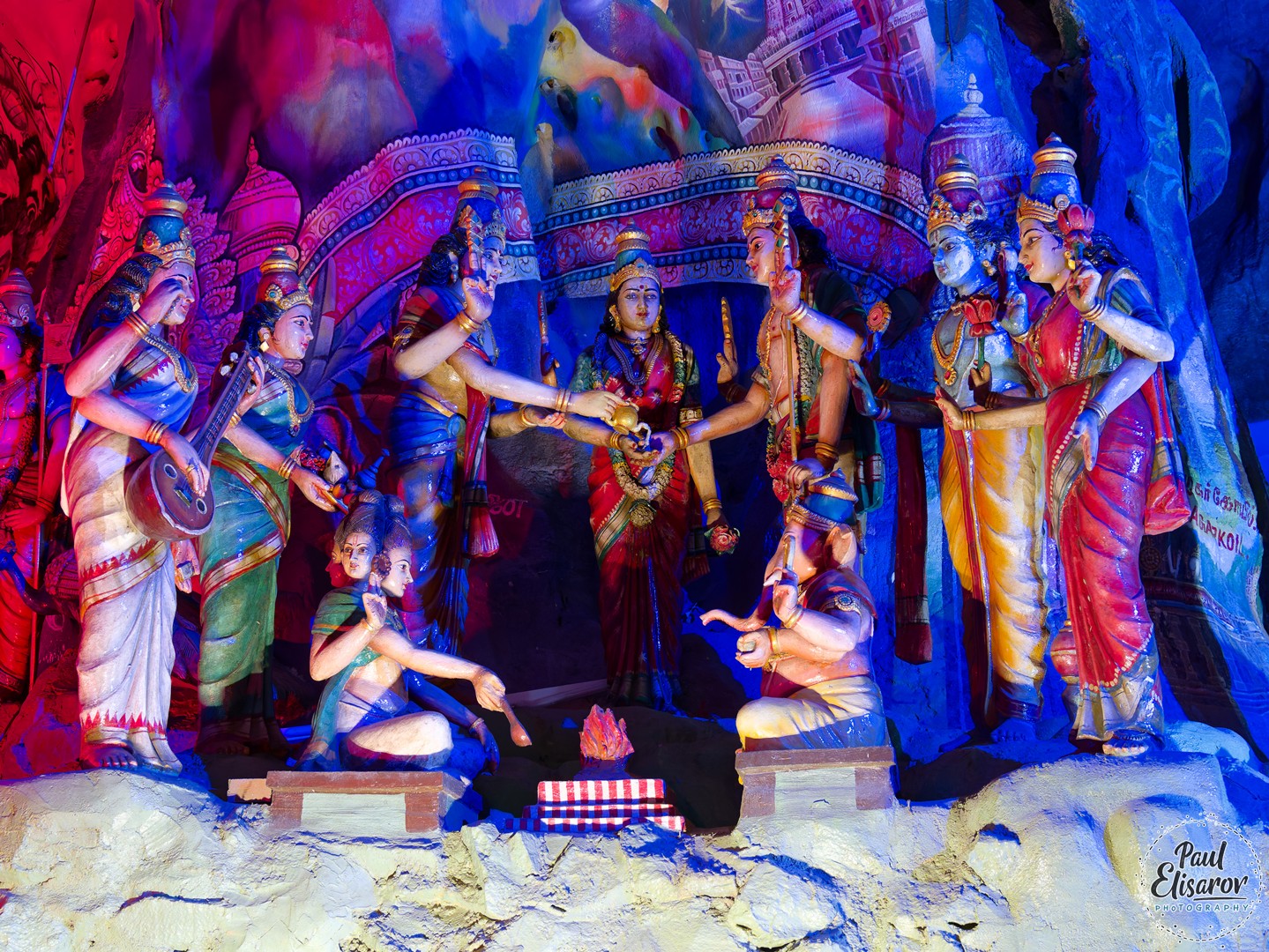
And this is where the plaques become so useful. At each scene, there are plaques that tell you who is who and what is happening. They explain the story behind the statue, the relationship between the characters, and the meaning of the symbols. Without them, you might just see a collection of colourful figures. With them, you can actually follow the narrative — the exile, the abduction, the war, the triumph of good over evil. They also help you understand Murugan himself, the vel he carries, and why this place is so important to the people who come here as pilgrims. In that sense, Cave Villa is not just decoration; it’s a kind of illustrated introduction to Hindu iconography and epic storytelling.
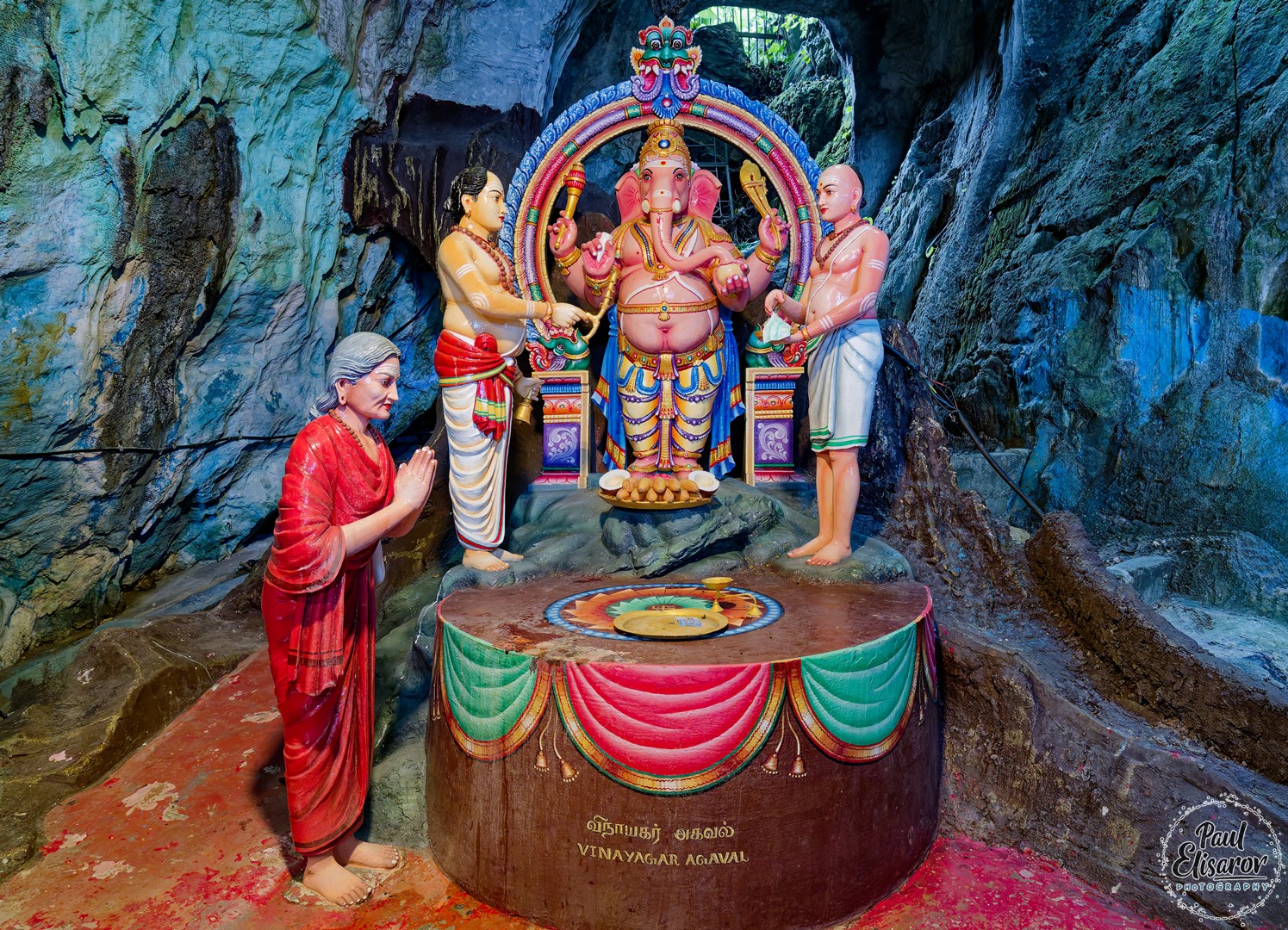
There is also a small art gallery inside, with paintings that continue the same themes, and a little koi pond that gives you a quiet, peaceful pause in the middle of all the colour and noise. The koi pond is small, but it’s a nice contrast to the intensity of the cave. For me, Cave Villa is worth visiting not because it is ancient or natural, but because it prepares you. It teaches you what you are looking at, so that when you later climb the 272 steps and enter the great Temple Cave, the statues and shrines there are not just anonymous figures. You recognise them. You understand their stories. And that makes the whole experience of Batu Caves much richer.
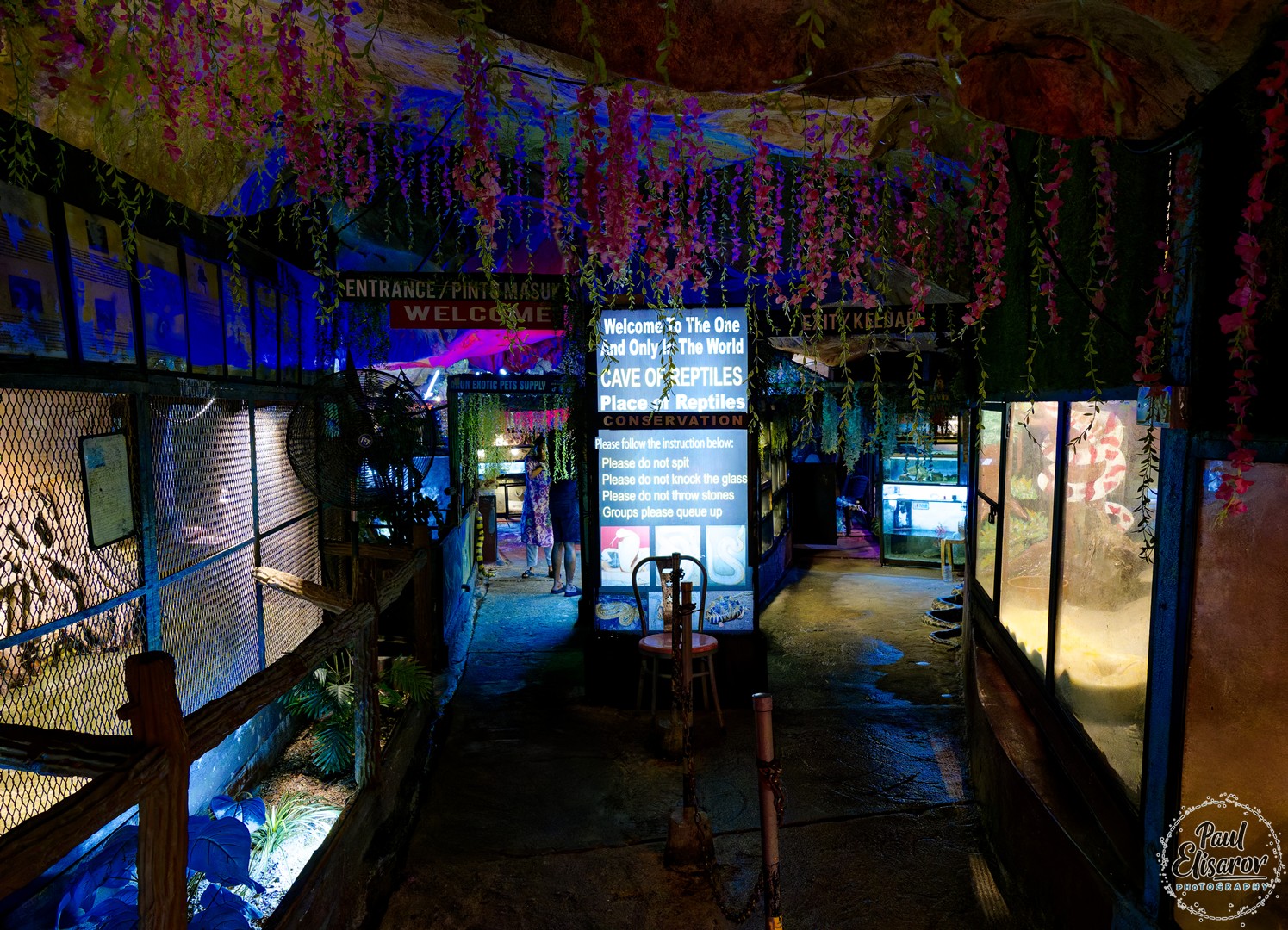
But, honestly, the strongest impression from Cave Villa isn’t artistic. In the depths of the cave there’s a so-called “reptile rescue centre.” And here I have to warn you: this is, to put it mildly, not a sight for everyone. The animals — snakes, turtles, lizards — are kept in tiny cages and containers where they have no opportunity to move. I’m not going to tell you “you must go” or “don’t go” — decide for yourself, but I think it’s worth knowing this in advance.
 Ramayana Cave
 is to the left of the foot of the hill, if you’re facing it. The entrance is marked by a 15-metre statue of Hanuman, the monkey god. Inside are dioramas and statues depicting scenes from the ancient Indian epic the Ramayana. The entrance costs 5 ringgit.
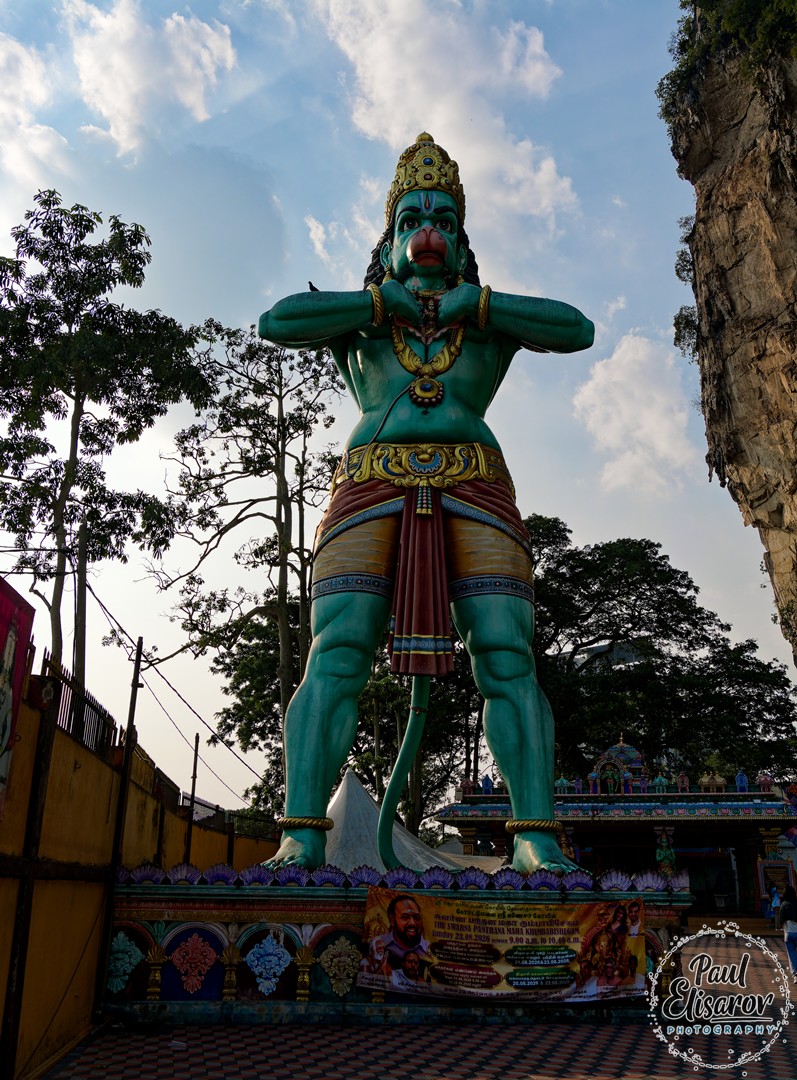
You might miss it if you’re in a hurry to start the climb, because it doesn’t shout for attention the way the golden Murugan statue does. For the small price, you get a completely different side of Batu Caves: quieter, slower, and much more intimate than the big, busy central cave.
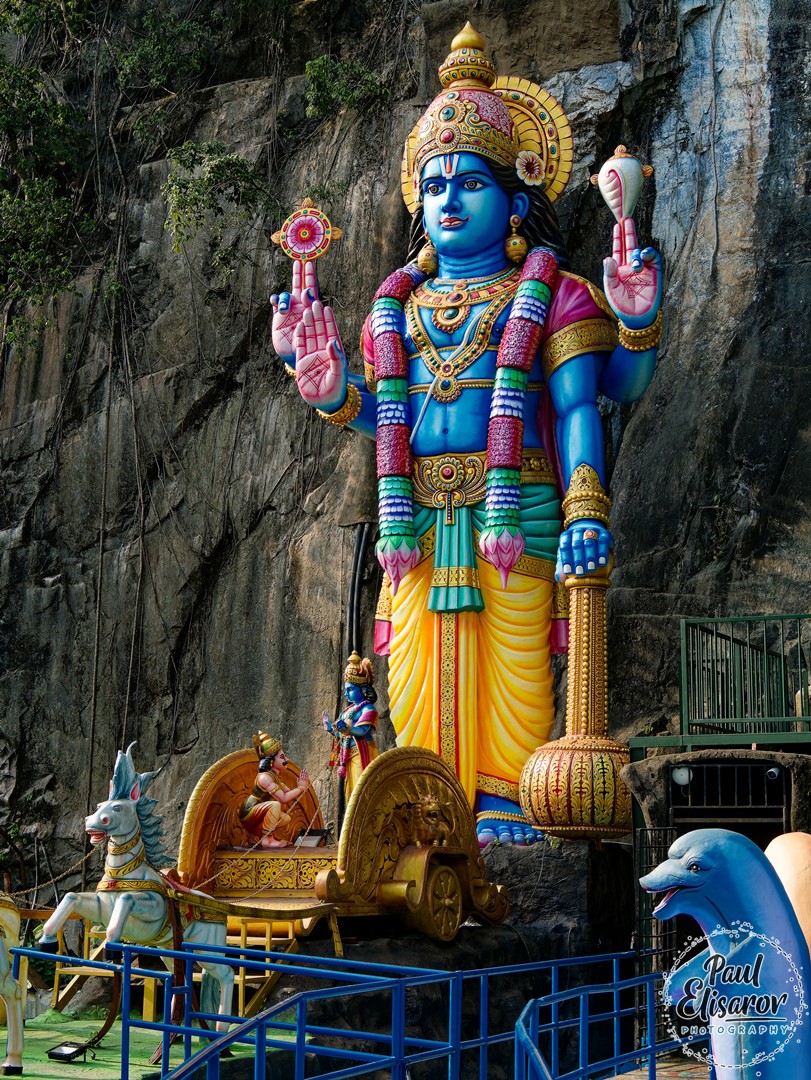
Unlike Cave Villa, which is bright, artificial and almost theatrical, Ramayana Cave feels subdued and atmospheric. The lighting is softer, the colours are deeper, and the natural rock of the cave is left more exposed. You walk through winding passages where the air is cool and damp, and the only sounds are your own footsteps, dripping water and the occasional murmur of other visitors. It feels less like an attraction and more like a sacred space — a place where the story is meant to be absorbed rather than just photographed.
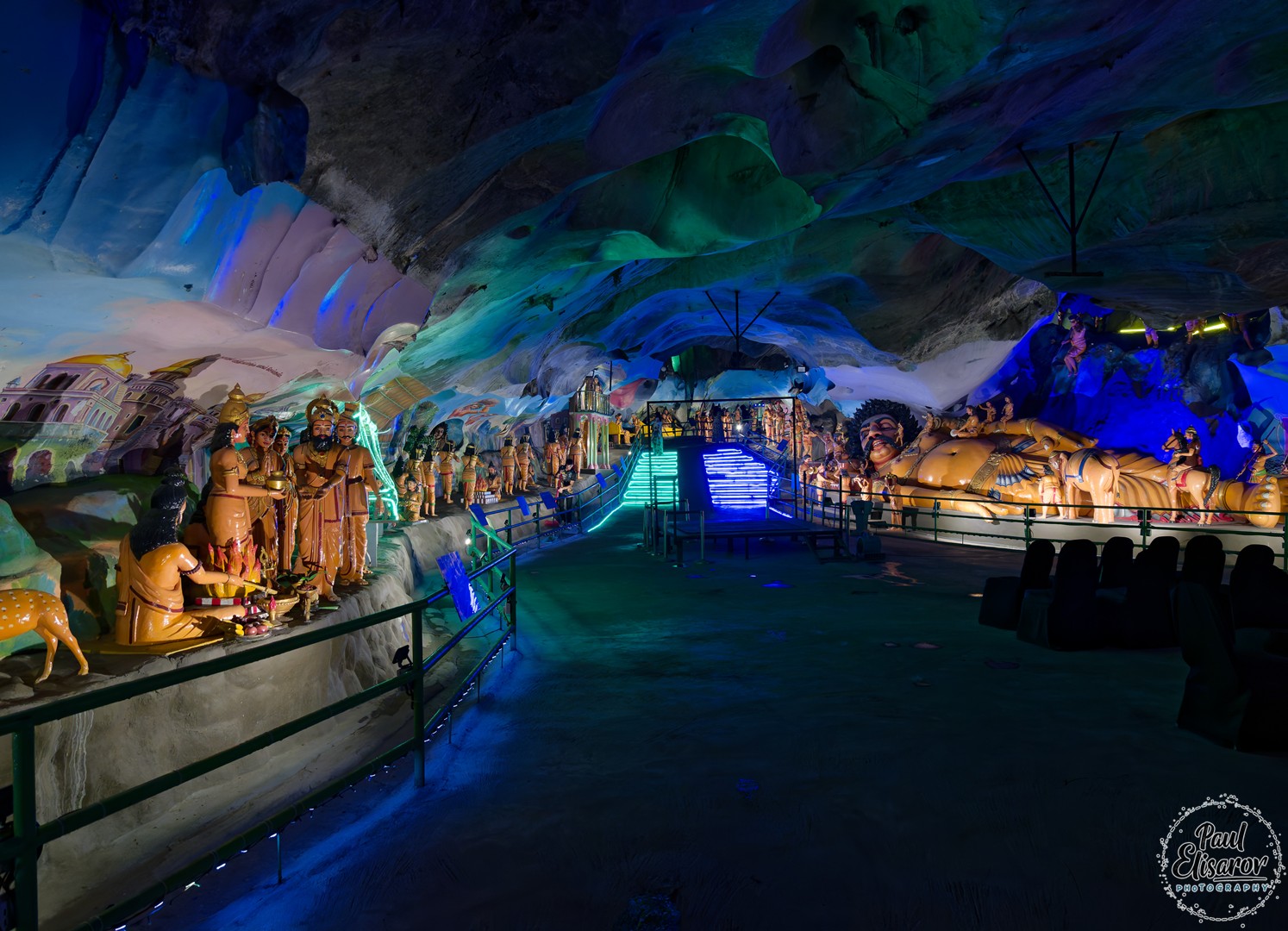
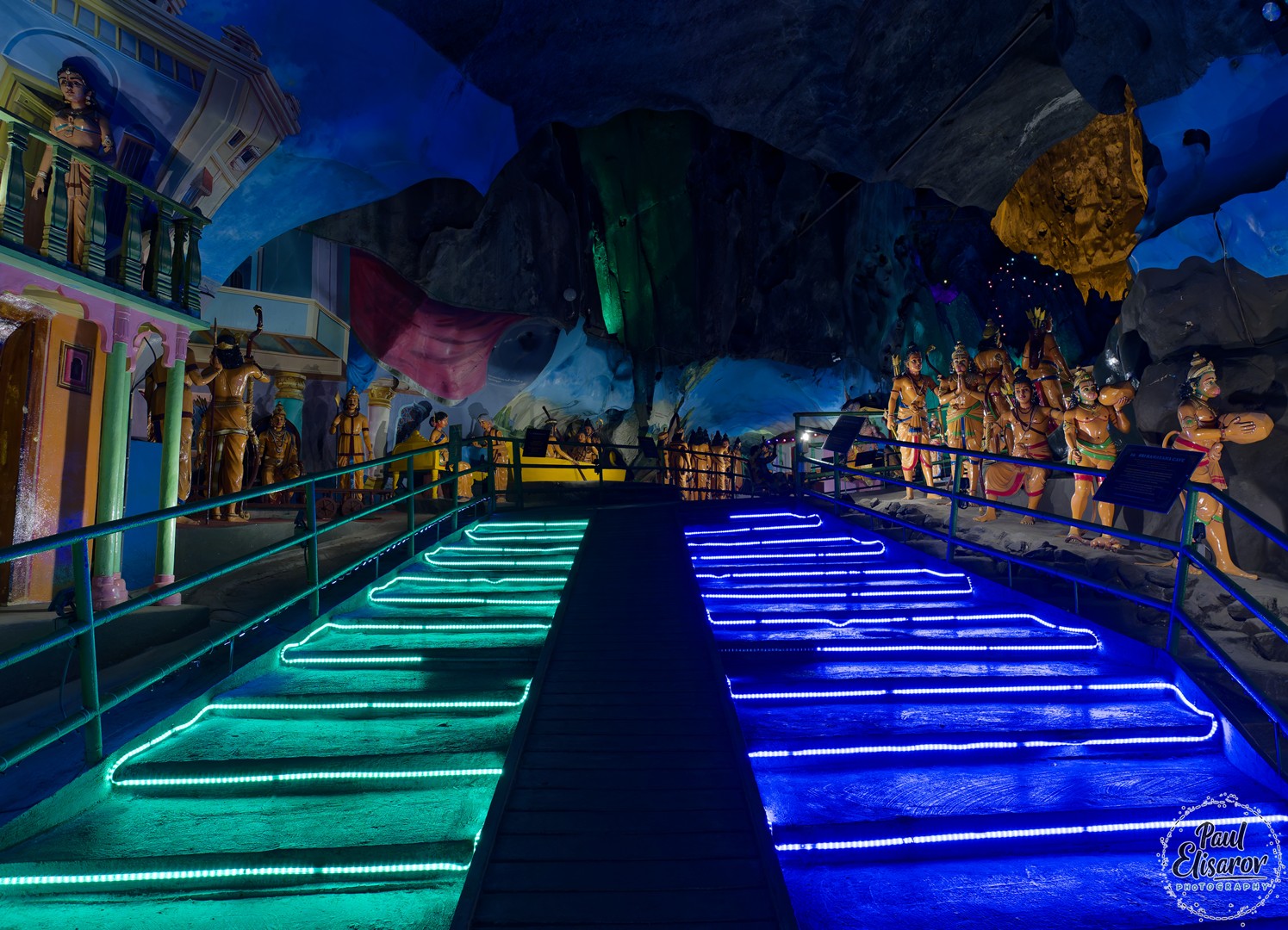
Inside, the cave is lined with dioramas and statues that depict scenes from the Ramayana, one of the great epics of Indian literature. You walk through the story almost step by step: Rama’s exile from Ayodhya, the abduction of Sita by the demon king Ravana, Hanuman’s leap across the sea to Lanka, the gathering of the monkey army, the great battle, and finally the return of Rama and Sita. The figures are painted and arranged in careful compositions, not scattered randomly. Hanuman is everywhere — as a devoted servant, a mighty warrior, a messenger, a hero. Even if you don’t know the epic, the scenes carry a strong emotional charge: loyalty, loss, courage, devotion, victory.
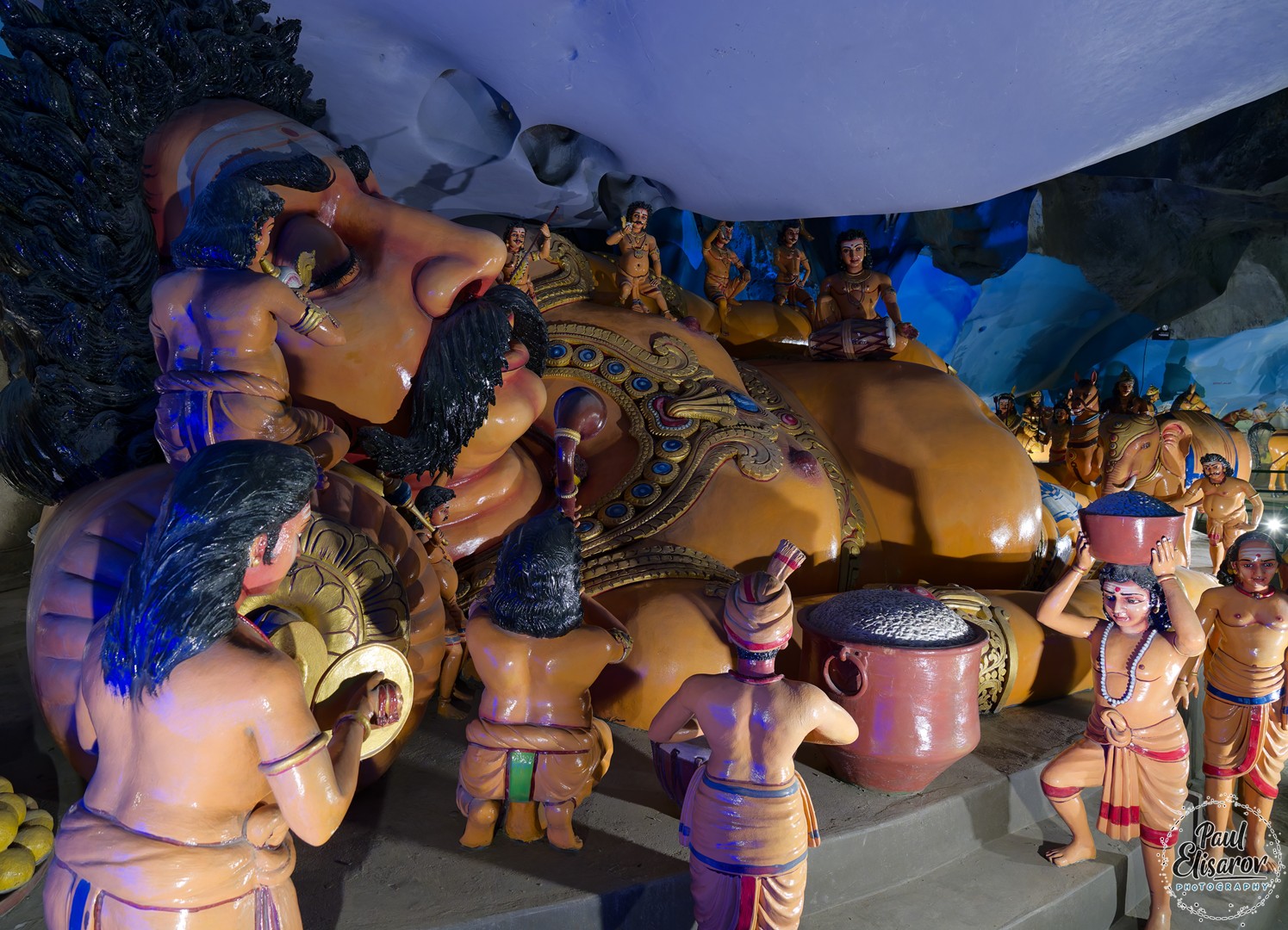
What makes Ramayana Cave especially valuable are the plaques placed at the different scenes. They tell you who the characters are and what is happening in each moment. Without them, you might simply see a collection of colourful statues. With them, you can actually follow the narrative and understand the relationships — who is Rama, who is Sita, who is Ravana, why Hanuman matters, and what all of this has to do with the values of dharma, duty and devotion. It’s like walking through an illustrated manuscript that has been carved and painted into the cave itself. For anyone interested in Indian mythology, it’s a genuine treat; for everyone else, it’s still a visually striking and peaceful experience.
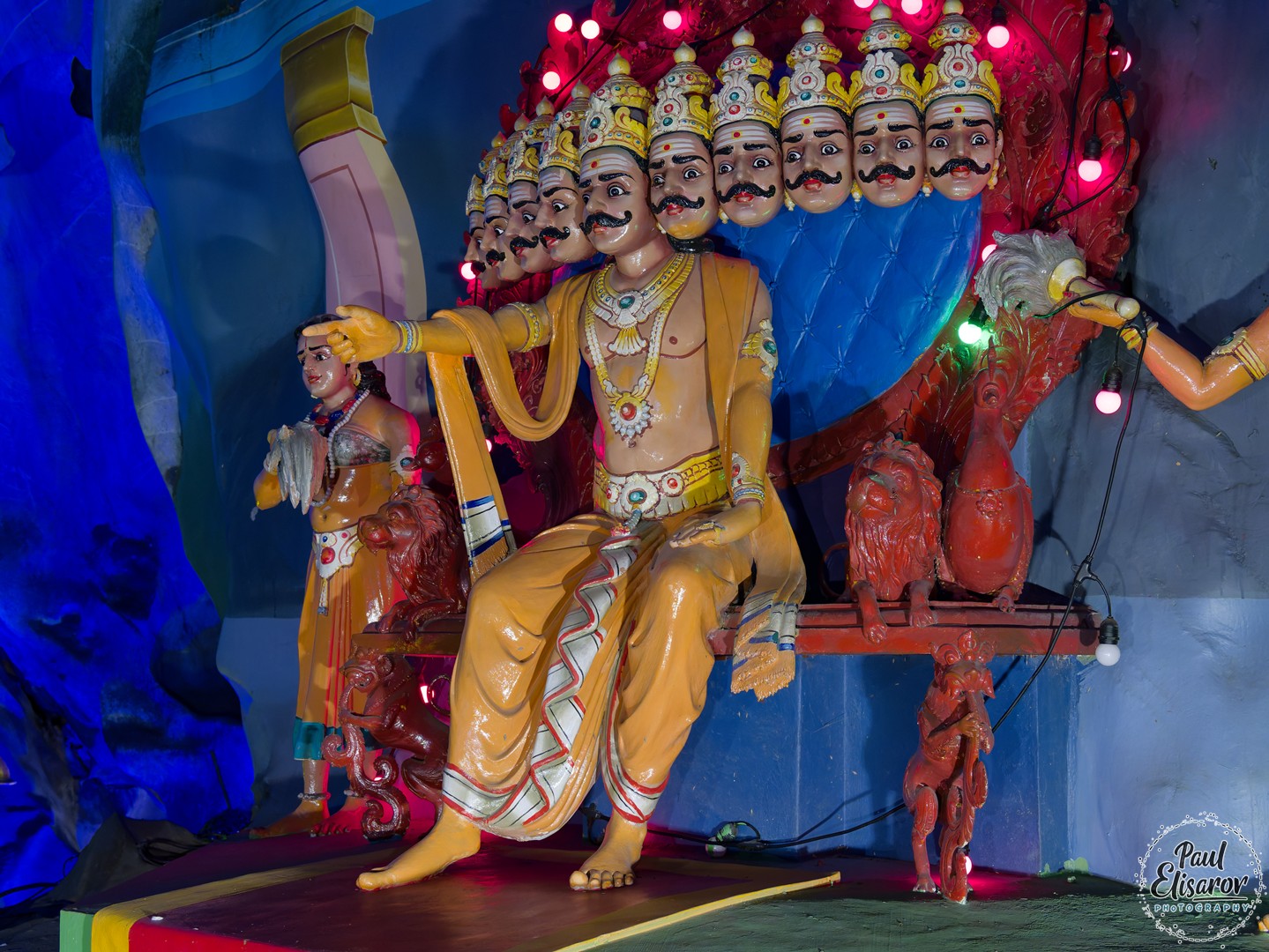
Compared with Cave Villa, Ramayana Cave is calmer and more atmospheric, and if you’re interested in Indian mythology, it’s absolutely worth it. It doesn’t try to overwhelm you with neon lights or endless photo spots. Instead, it invites you to slow down, look closely and follow a story. I’d even say it helps prepare you for the main Temple Cave above: after walking through the Ramayana here, the statues and shrines at the top feel less like anonymous figures and more like old acquaintances. So don’t skip it. Take the five ringgit, step inside, and let the story unfold around you.
 Dark Cave
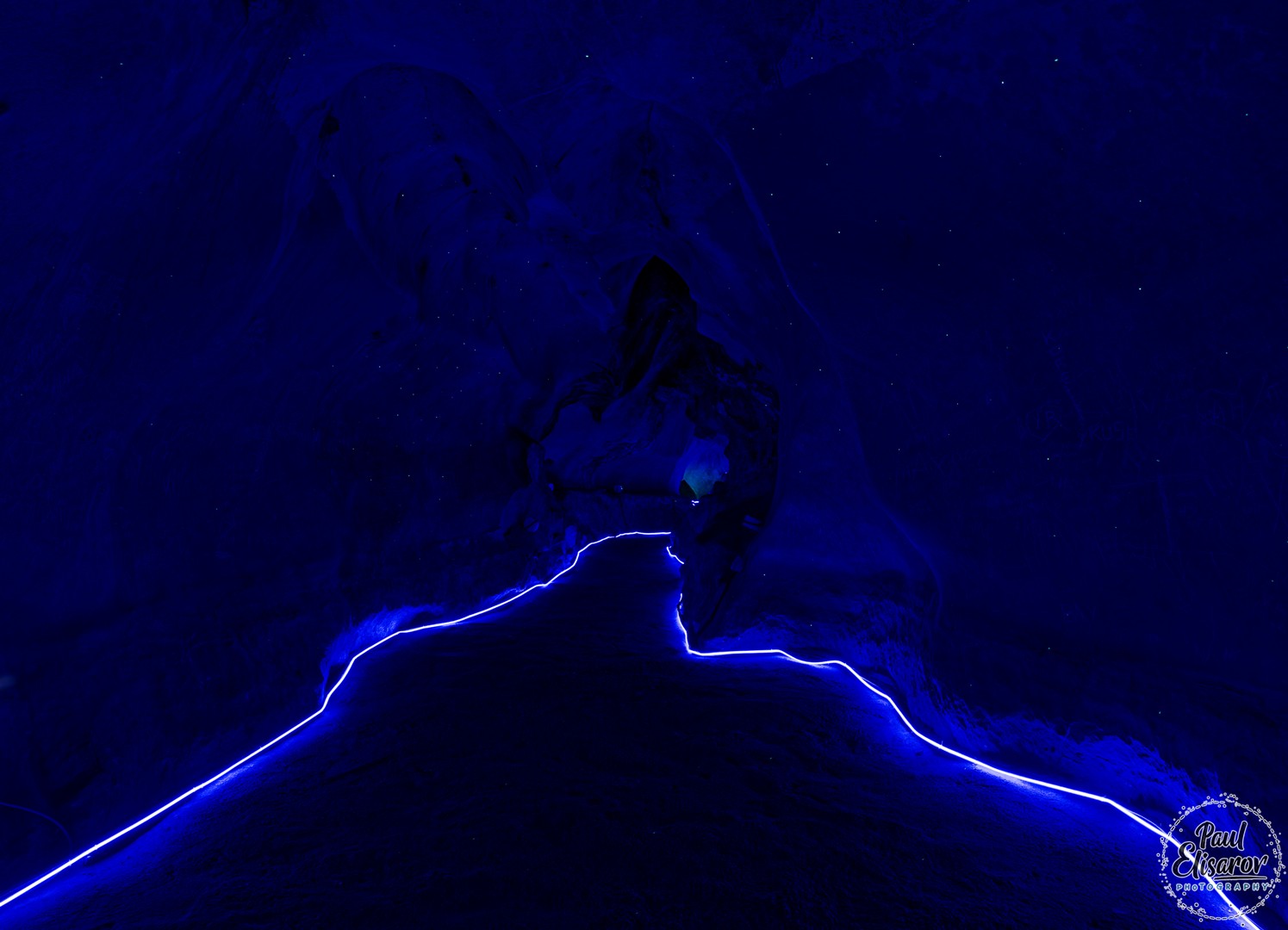
 is a separate story. It’s a two-kilometre untouched cave system where bats and rare species of spiders live. Sometimes it’s closed to visitors, but if it’s open, it’s a great opportunity to see Batu Caves from a completely different, natural side. Tours are conducted with a guide.
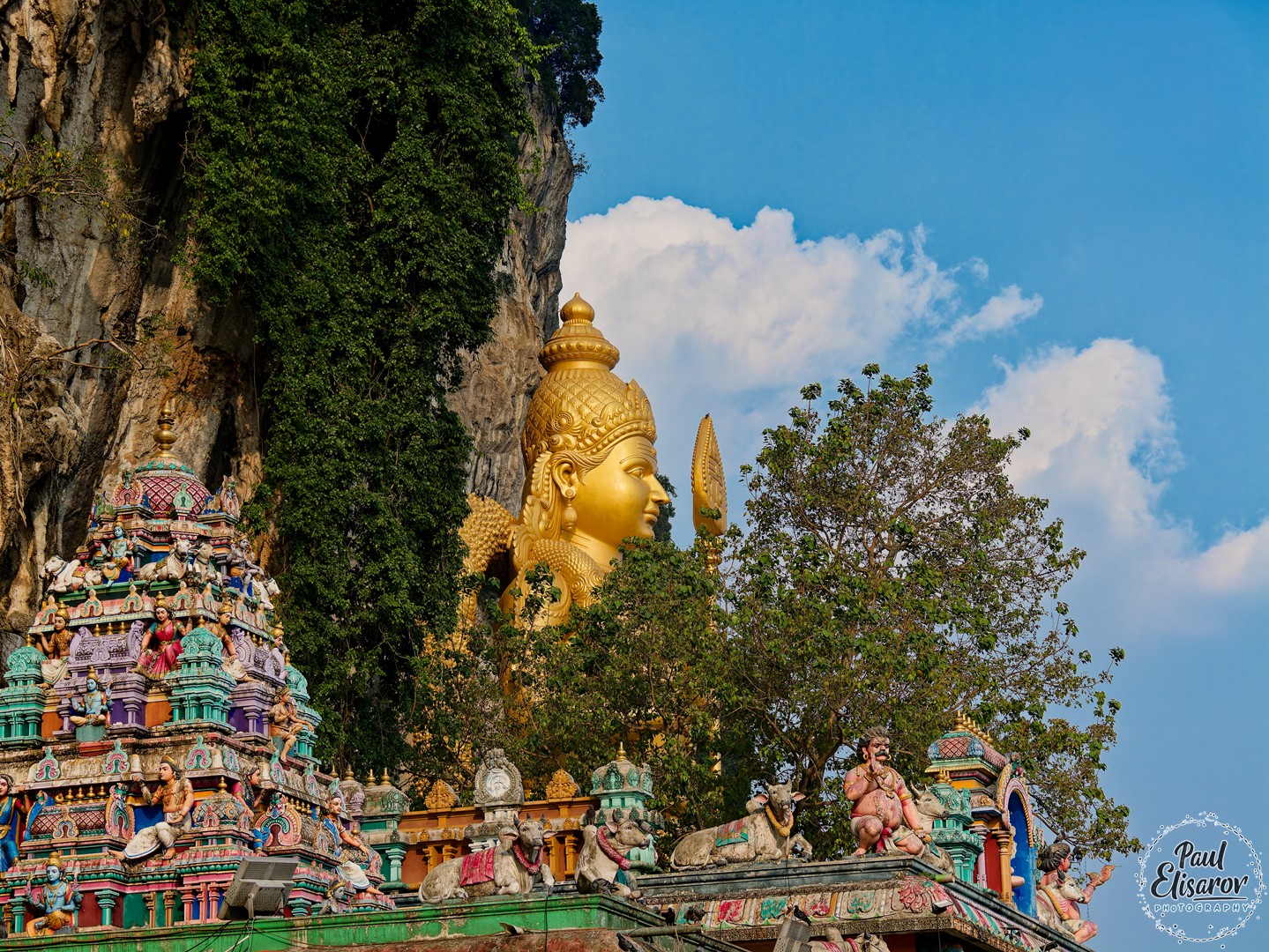
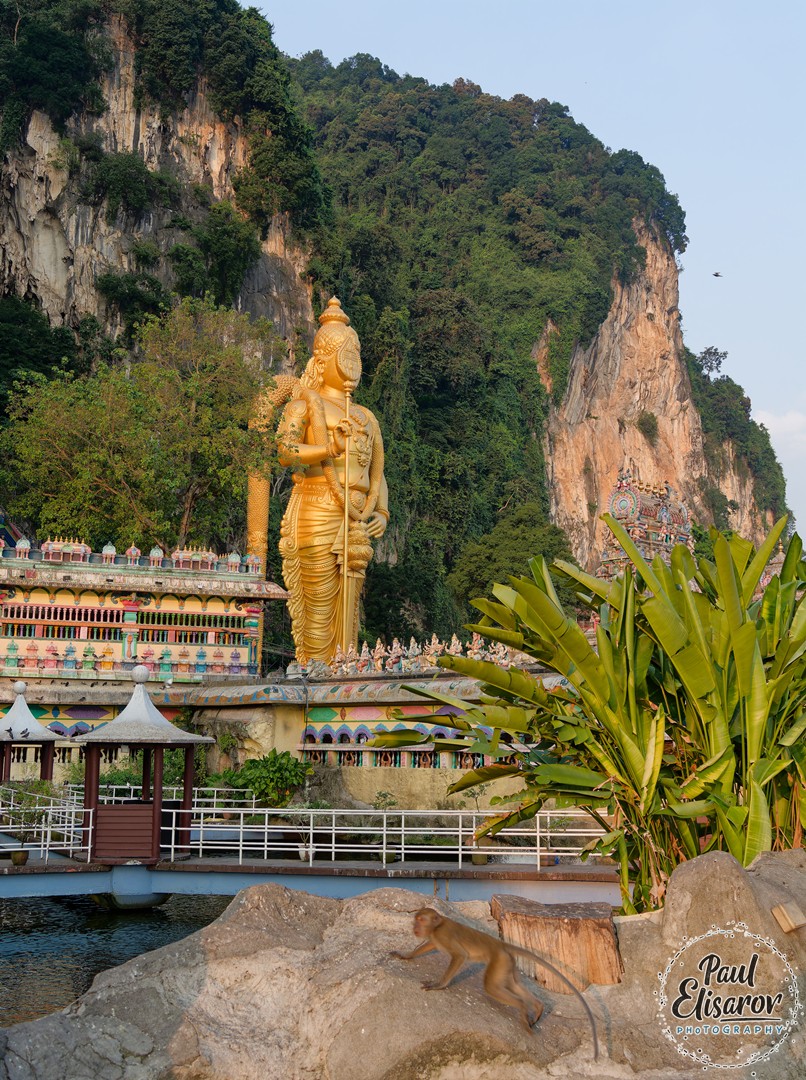
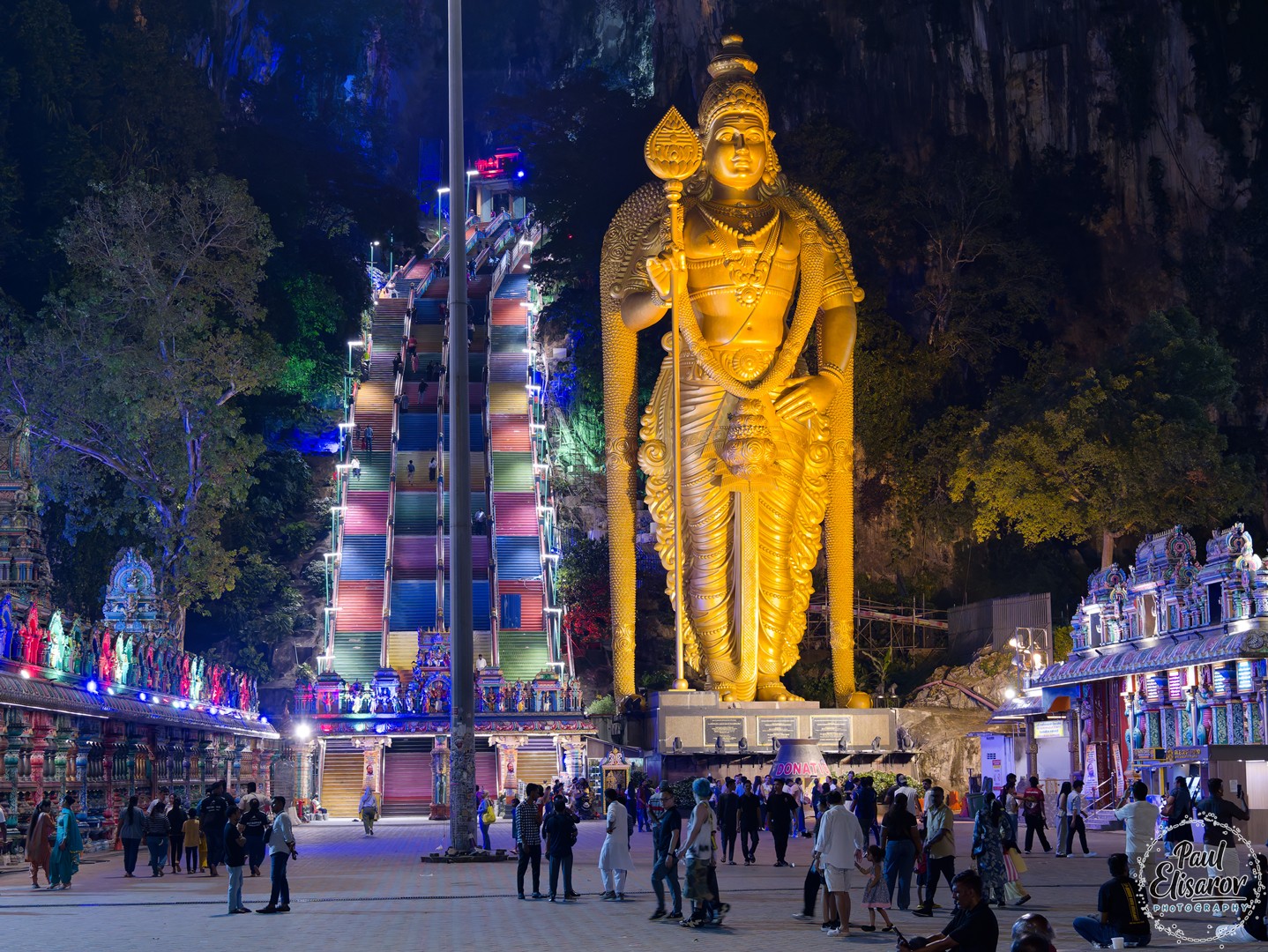
It’s also worth telling you separately about the Murugan statue, about Murugan himself, and about Thaipusam. The most recognisable part of Batu Caves is, of course, the huge golden statue of Murugan. It was installed in 2006, it’s 42.7 metres tall, and it’s the tallest Murugan statue in the world.
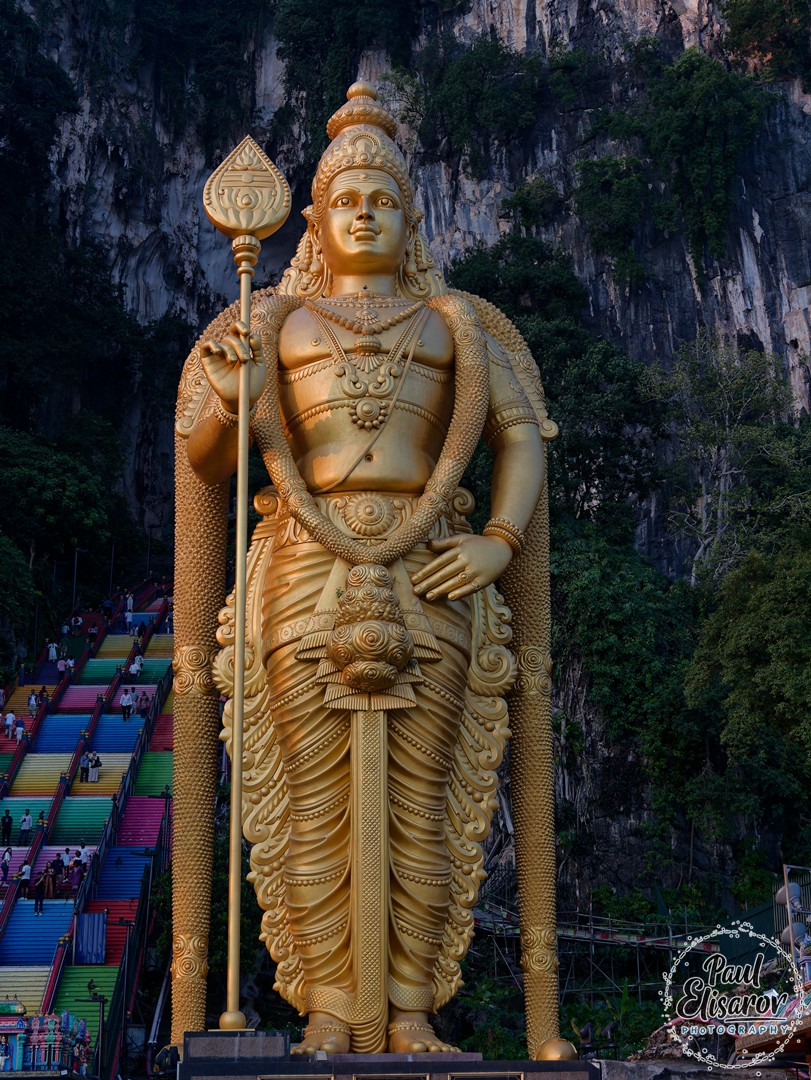
Murugan is the god of war and victory in the Hindu tradition. He is worshipped as a protector and defender. And once a year, in the month of Thai (usually late January to early February), something grandiose happens here — the Thaipusam festival.
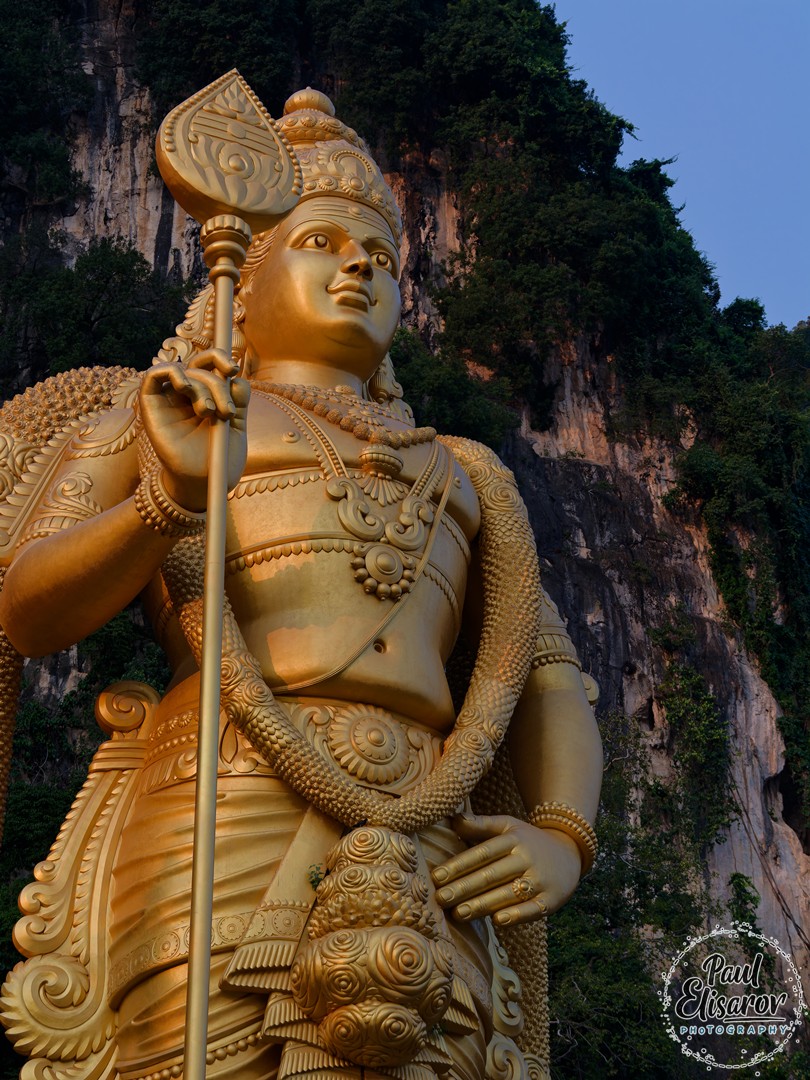
Thaipusam is dedicated to Murugan’s victory over the forces of evil. On this day, hundreds of thousands of pilgrims climb the 272 steps to the main temple in the cave. Many carry a kavadi — a “burden” that can be anything from a simple pot of milk on the head to a complex structure with metal rods that literally pierce the believer’s skin. It’s an act of sacrifice, gratitude and fulfilment of a vow.
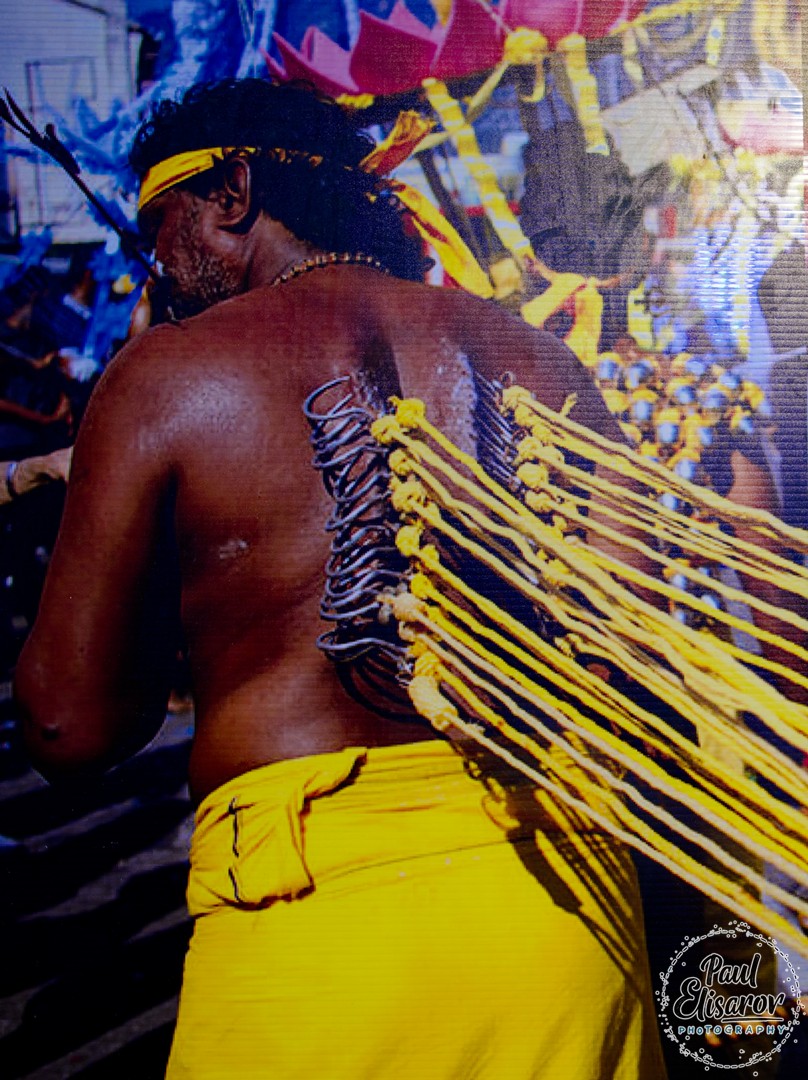
I have to be honest: if you come during Thaipusam week, you’ll see not only the festive side. You’ll see hooks passing through skin and people in a trance state. For an unprepared viewer, it can seem frightening — “savage customs,” as some call it. But it’s important to understand the context: it’s not torture or violence. It’s a voluntary act of faith that the pilgrims themselves see as an honour and an opportunity for purification. It’s their path, their conversation with God. And watching it, you realise how deeply and seriously people take their faith.
Now about the main cave and the colourful staircase. The climb begins with 272 steps. They are brightly painted — in 2018 the staircase was restored and repainted, and now it has become one of the most photographed places in Malaysia. Climbing, honestly, is a bit hard — especially in the heat and humidity. But the views that open up as you go up are worth it.
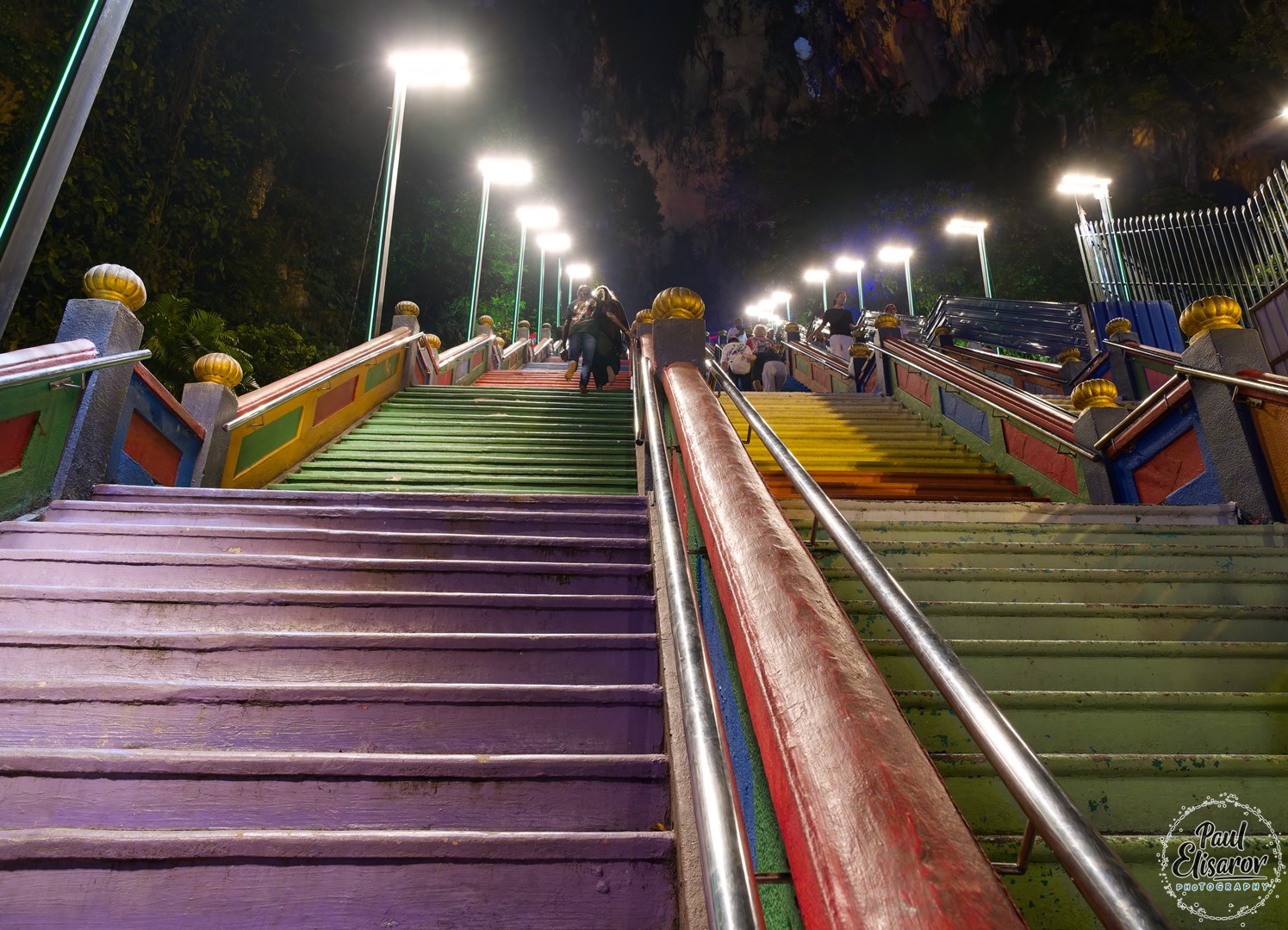
At the top you’re met not just by a cave, but by a whole “cathedral” — Temple Cave, or Cathedral Cave. It’s a huge cavity about 100 metres high, with natural openings in the ceiling through which sunlight breaks through. Inside are temples, altars and statues of gods carved right into the walls of the cave. It’s truly impressive both in scale and atmosphere. This time I did not climb the ladder as I wanted to concentrate on lower caves, but the main cave is a magnificent place definitely worth visiting!
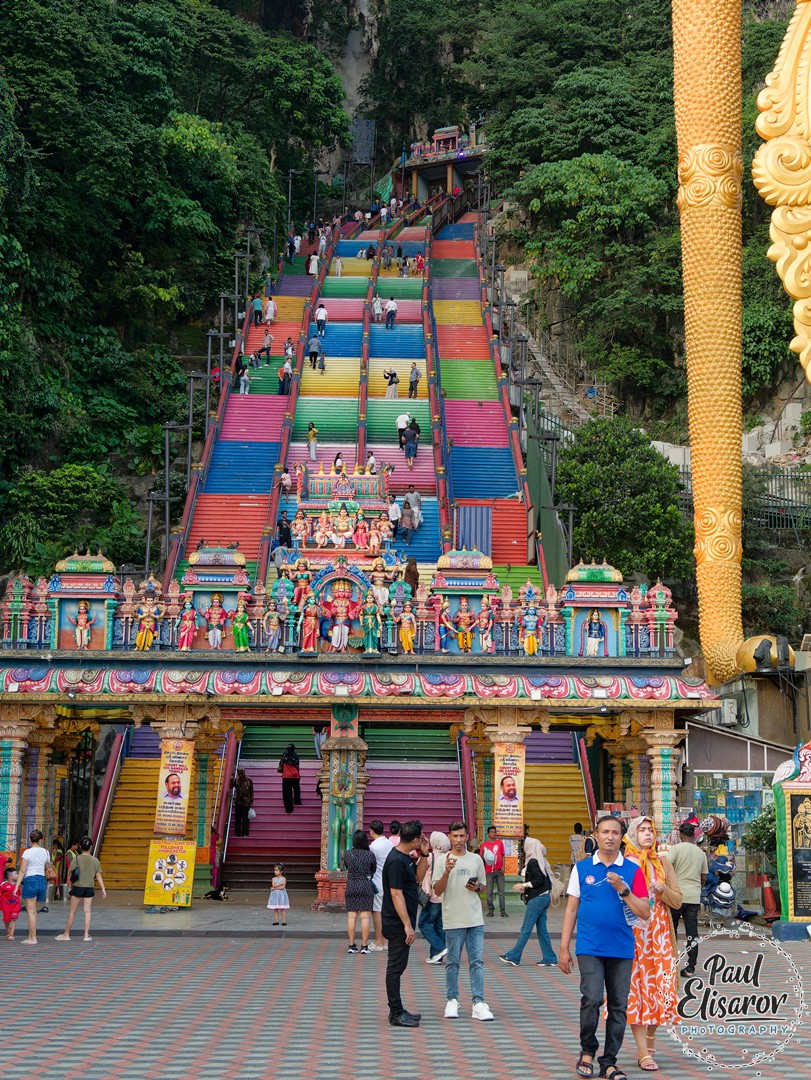
What has changed over the last three years? This is an important point. I was here for the first time about three years ago, and since then the place has changed a lot — for the better.
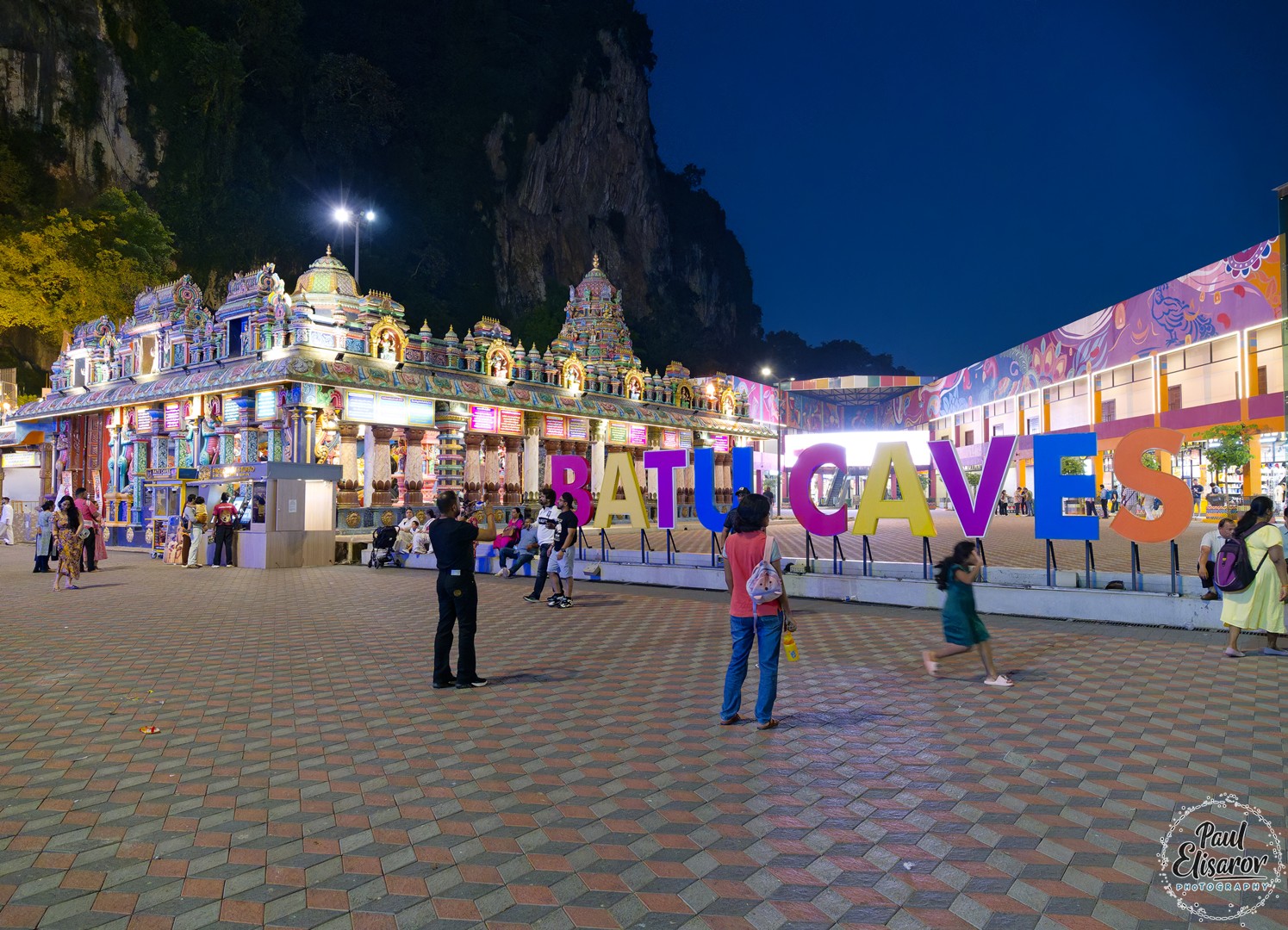
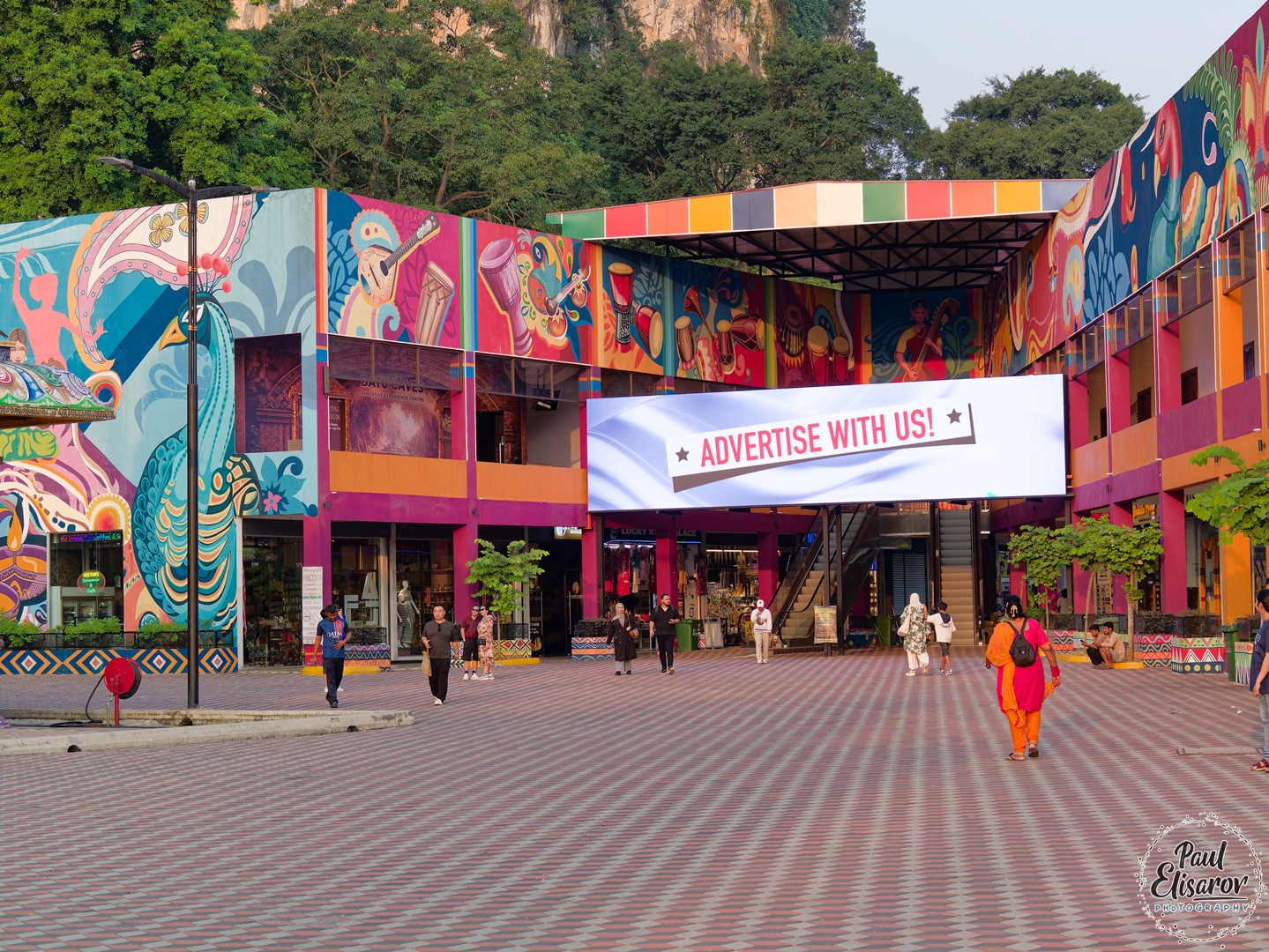
Before, there was a spontaneous market down below, a bit dirty, hectic. Now instead there’s a neat building where you can eat (Indian vegetarian food — very tasty), buy souvenirs and even watch a film about the history of Batu Caves. It’s a civilised, clean space.
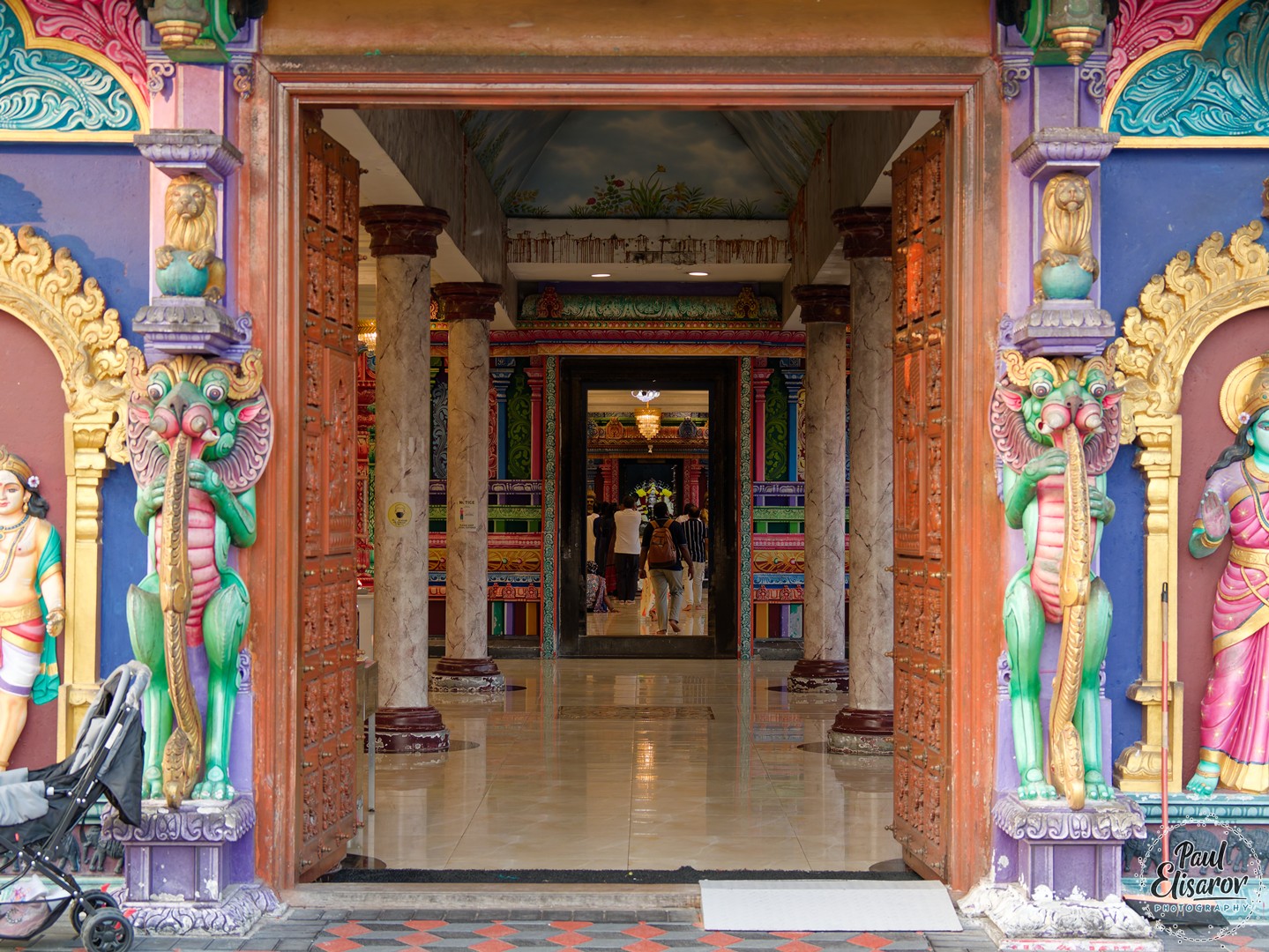
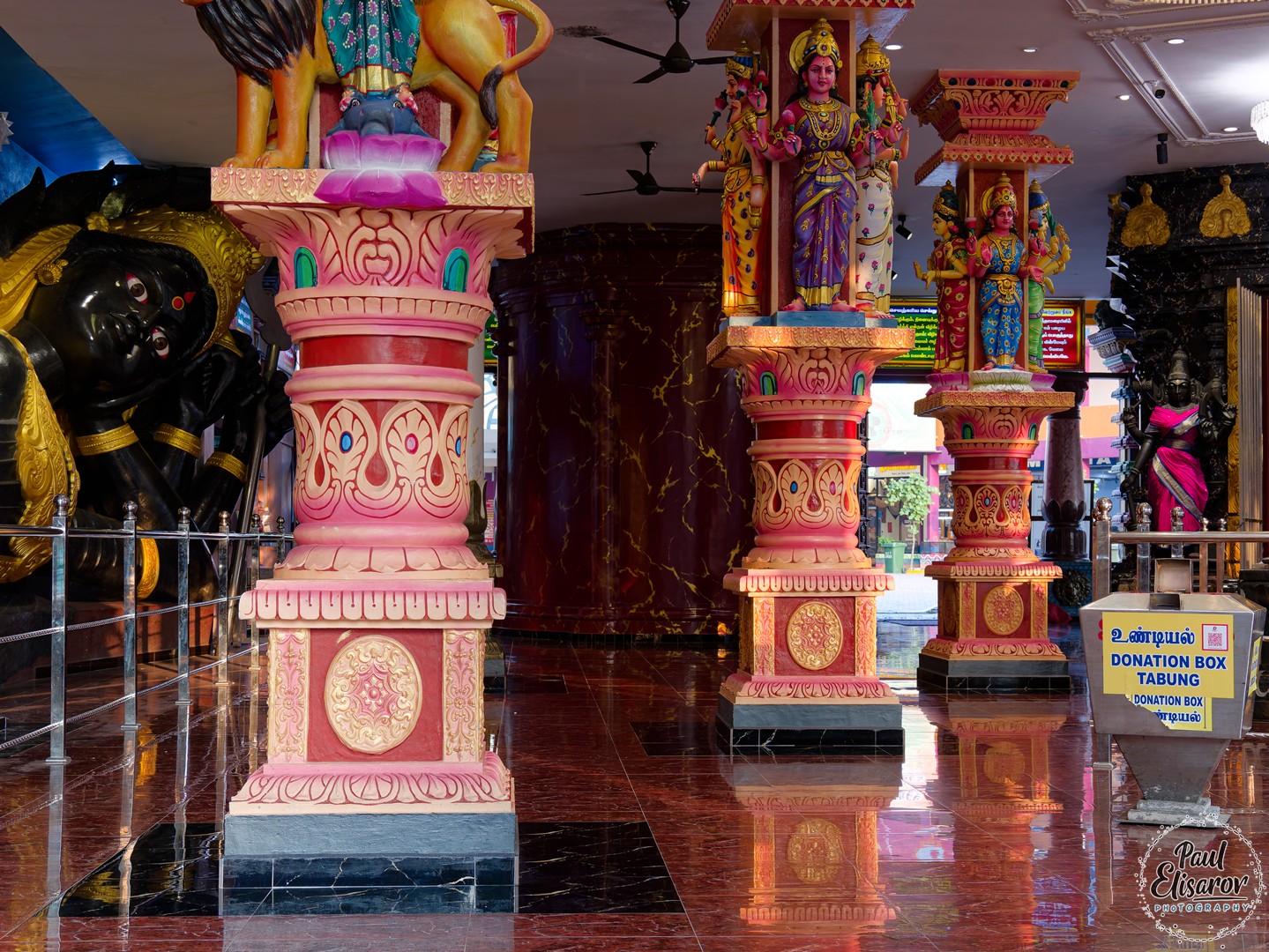
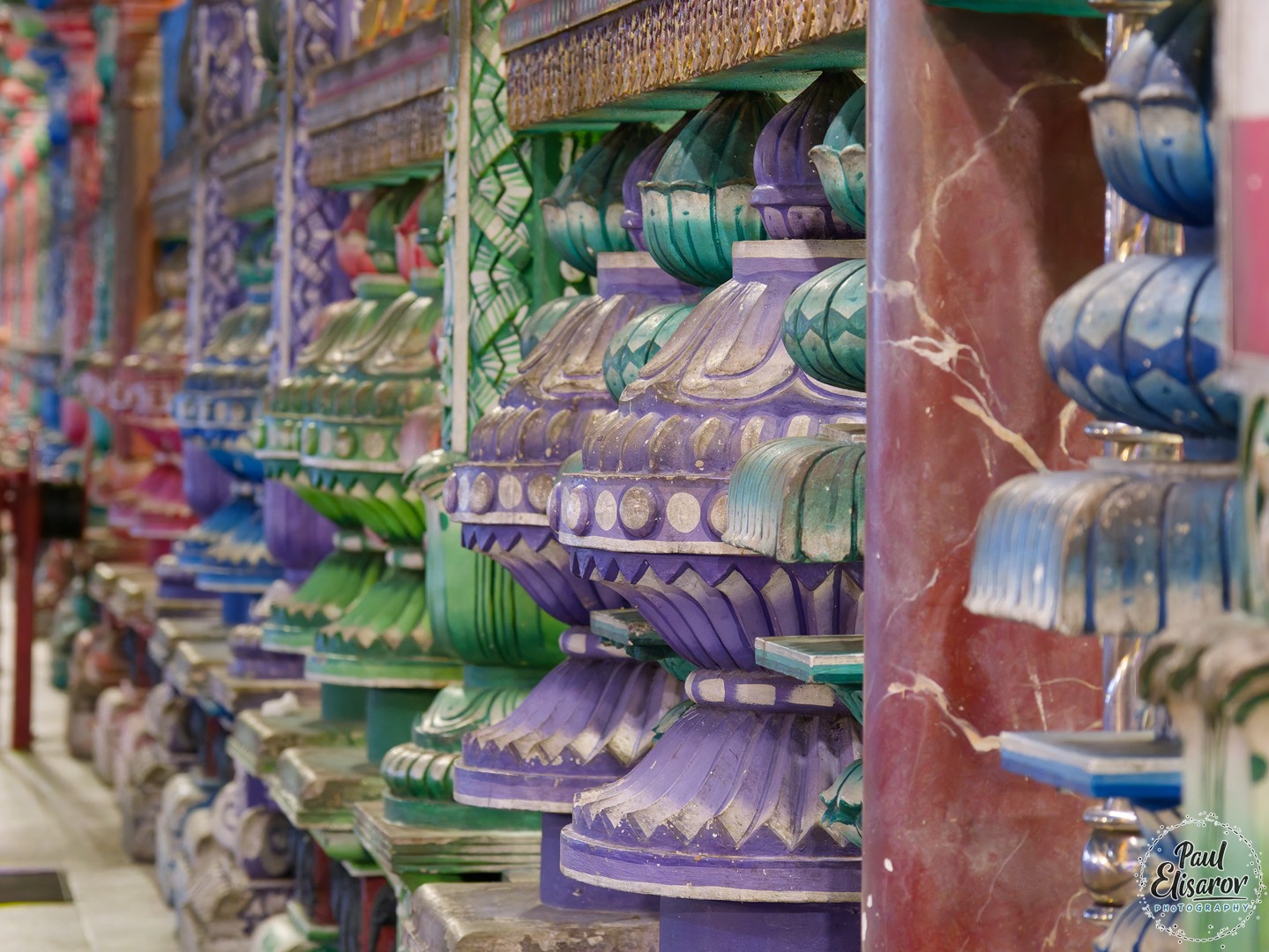
As for the temples, changes have happened there too. If before the floors were, let’s say, not very good, now they are marble floors. You can sit on them, it’s pleasant to walk on them barefoot — and, importantly, it’s not scary.
This became possible thanks to serious investment in repairs and improvement. Further improvements are planned too — up to installing escalators to make the climb more accessible for everyone.
And about the monkeys — they are unchanged here. There are many of them. They are long-tailed macaques, and they are completely unafraid of people.
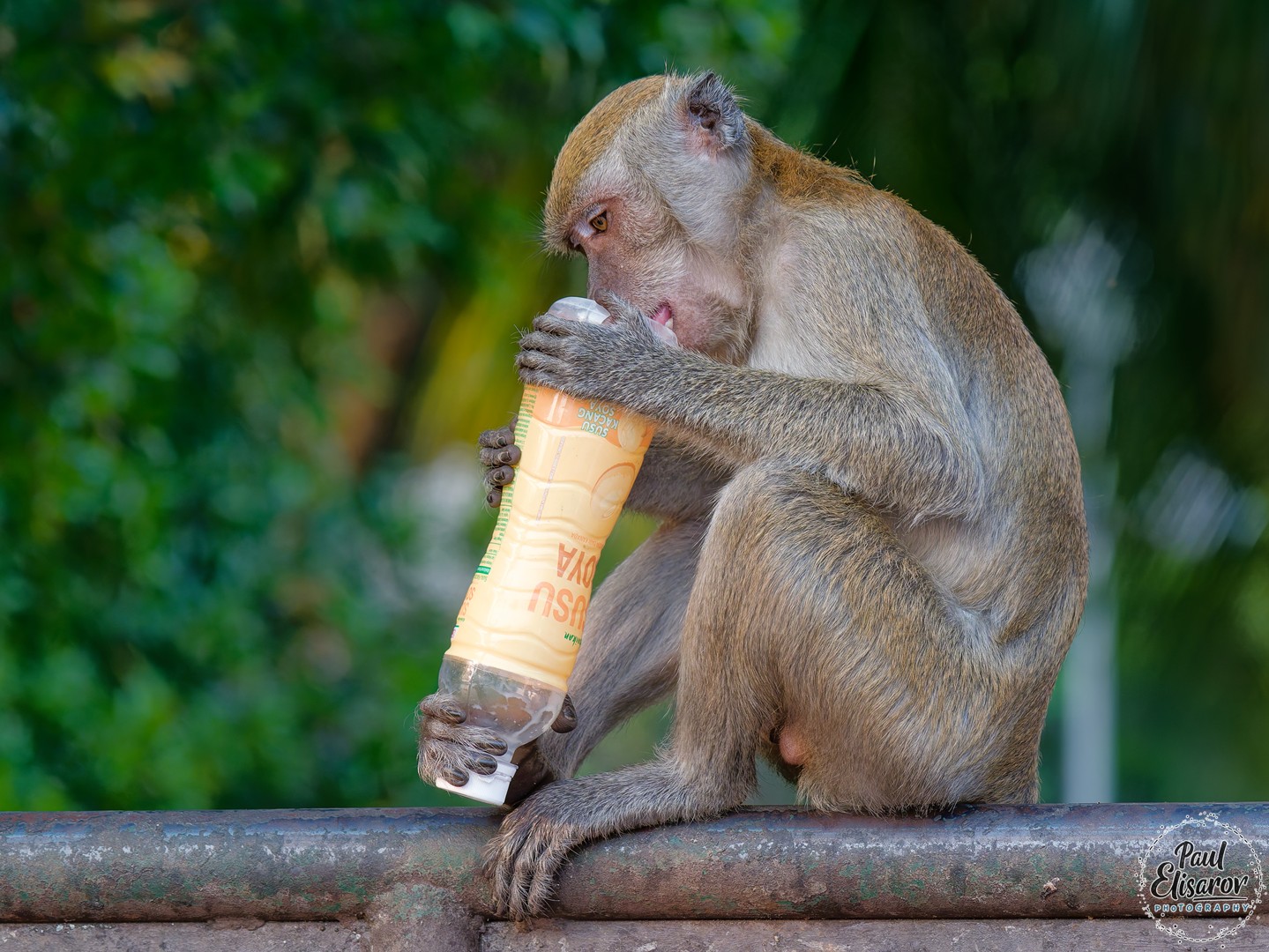
They are cheeky. Very cheeky. They have an excellent sense of smell, and they instantly figure out who has food. If you’re carrying something edible in your bag, even closed, the risk that a monkey will tear the bag open to get to it is quite real. They can snatch a bottle of water, steal a bag, jump on you if they decide you might give them food.
My advice: don’t take food with you. At all. Don’t show them bags or purses that might look like food. Don’t feed them — it only provokes aggression. And yes, they can be carriers of infections, so don’t let them scratch you. But despite all that, they are part of this place. Without them, Batu Caves wouldn’t be Batu Caves. Just be careful and keep your distance.
Instead of a conclusion, I’ll say this. Batu Caves is a place I would definitely recommend visiting. It’s not just a “background for photos.” It’s a culturally important, living, active place of worship that is at the same time open to everyone. Here there is history, architecture, nature, spiritual depth and — yes — a bit of chaos in the form of monkeys.
If you live in KL or are just passing through — don’t miss it. It’s one of those spots that are truly worth seeing with your own eyes. The place is very interesting, culturally important and definitely worth visiting!
This story comes with photos taken in autumn 2026. Over the last three years the place has changed a lot, and I hope you’ll see it. Until next time! Need more photos? They are all can be seen
in the album.
👁
13 views